The Secret Meeting That Wasn’t So Secret
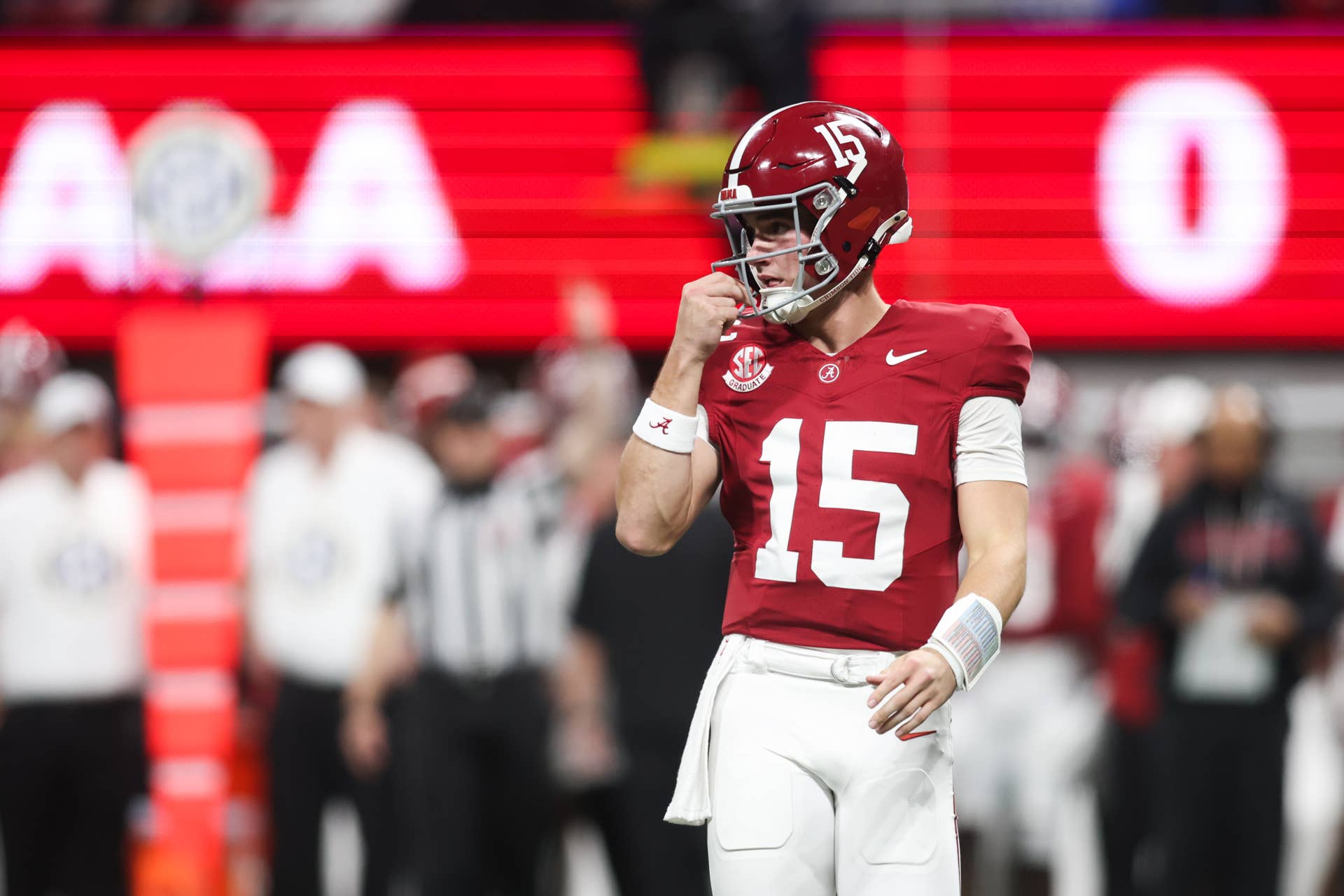
Footage from the draft night broadcast captured Sean McVay’s reaction as the Rams’ pick was announced. According to reports, his expression suggested careful consideration rather than surprise. Sources indicated that McVay had met with Simpson before the draft, a common practice for teams evaluating high-profile prospects. These meetings are rarely about casual conversation; they serve as an opportunity for franchises to communicate their intentions directly to players.
While some accounts described the meeting as discreet, others noted that such interactions are standard procedure in the NFL. The Rams’ decision to host Simpson was seen as an indication of their interest in him as more than just a draft pick. The focus was less on secrecy and more on the message being sent: the team was assessing Simpson’s potential role in their long-term plans. The question remained how Stafford would interpret the move.
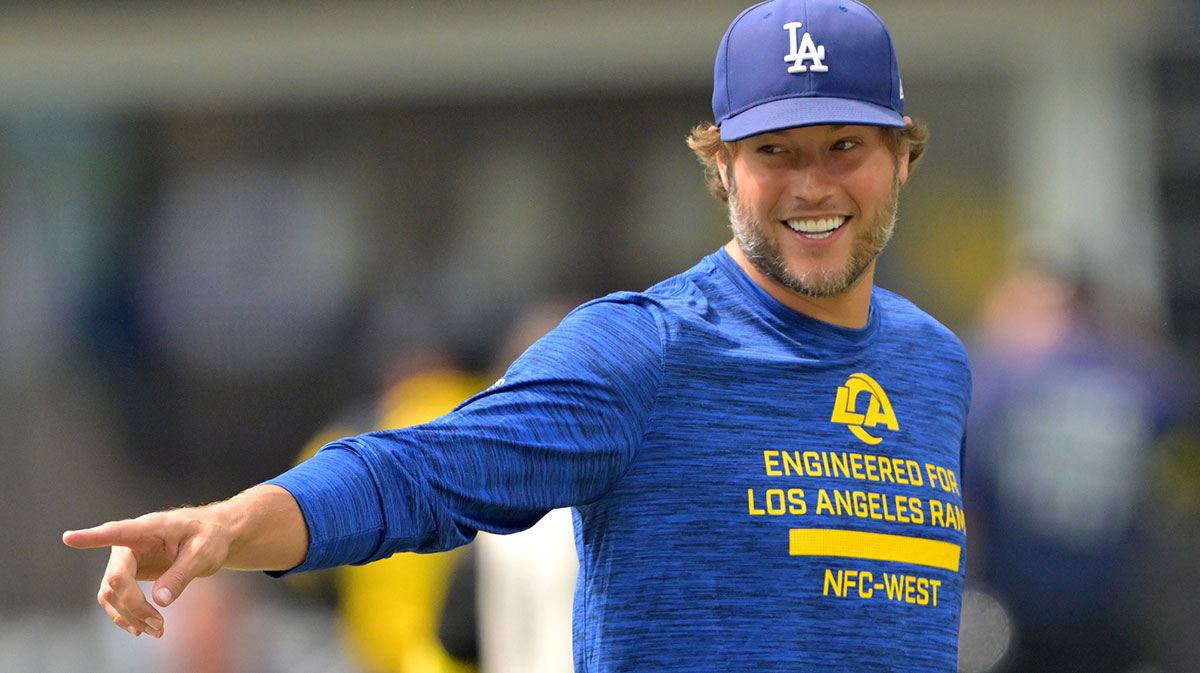
Stafford’s response, as later described by McVay, was one of professionalism. Officials familiar with the situation said Stafford greeted the news with a gesture of support toward Simpson. The moment was interpreted as a reflection of Stafford’s approach to competition, one that prioritized team success over personal concerns. His experience in the league suggested a willingness to adapt to new challenges rather than resist them.
The $100 Million Question Hanging Over the Rams
The Rams’ decision to draft Simpson followed closely on the heels of their acquisition of Jonathan Greenard, a pass rusher whose contract extension set a new financial benchmark for non-quarterback positions in the league. Analysts noted that the timing of these moves was significant. Greenard’s deal, reportedly worth a substantial sum, framed Simpson’s selection as part of a broader strategy to build a competitive roster for the future.
Stafford’s contract is set to expire after the 2026 season, and his future with the team has been a topic of discussion for some time. McVay publicly expressed his support for Stafford, stating that the team would welcome him back if he chose to continue playing. The comment was seen as an effort to balance respect for Stafford’s contributions with the realities of roster planning. Simpson’s presence on the team introduced a new variable, one that could influence Stafford’s decision-making process.

For more on this story, see Rams select QB Ty Simpson 13th overall to plan for post-Stafford future.
Historically, NFL teams that draft quarterbacks while still employing established starters have faced challenges in managing the transition. Stafford, however, has remained a productive player, leading the Rams to the playoffs in his most recent season. His reaction to Simpson’s selection was described as measured, with observers noting that he appeared to view the situation as an opportunity rather than a threat. The dynamic between the two quarterbacks would likely shape the team’s approach in the coming years.
What Changes for the Rams’ Offense in 2026
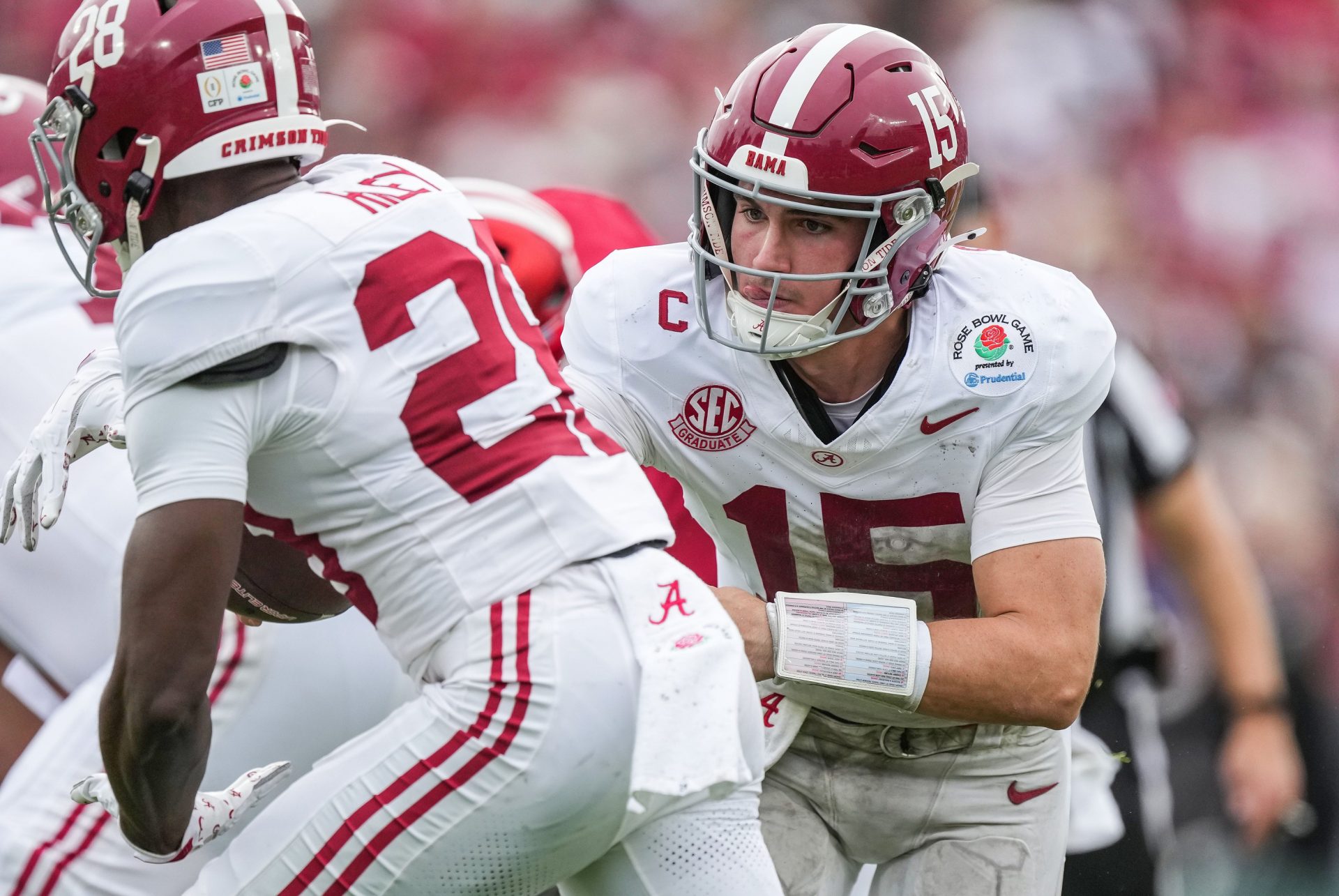
McVay’s offensive system relies on precision, and Stafford’s familiarity with it has been a key factor in the Rams’ continued competitiveness. Simpson, by contrast, is described as a more mobile and improvisational quarterback. While the offense is not expected to undergo immediate changes, the team’s preparation suggests an awareness of how Simpson’s strengths could influence future play-calling.
McVay has indicated that Stafford’s workload may be managed more carefully in his 18th season. This approach is not solely about physical preservation but also about maintaining Stafford’s mental sharpness. Rhythm is critical for quarterbacks, and any reduction in practice reps could subtly alter Stafford’s role in the offense. The Rams’ 2026 season may not look dramatically different to fans, but the adjustments could have meaningful implications for the players involved.
The question of whether Simpson will see playing time as a rookie remains open. Most first-round quarterbacks drafted behind veterans do not start immediately, but the Rams have shown a willingness to deviate from convention. McVay’s comments about managing Stafford’s workload suggest that Simpson could see action in specific situations. This approach carries risks—struggles by Simpson could affect Stafford’s confidence, while strong performances could accelerate the transition. The Rams appear to believe that competition will benefit both players.
This follows our earlier report, Rams select Alabama QB Ty Simpson 13th overall as McVay remains subdued post-pick.
The Unanswered Question: Stafford’s Timeline
Stafford’s future depends on more than just his contract. His physical condition, mindset, and relationship with McVay will all play a role in his decision-making. While McVay has been clear about his desire to retain Stafford as long as he wants to play, the introduction of Simpson adds complexity to the situation. Stafford’s choice—whether to continue playing, retire, or seek a trade—will be influenced by factors that are not yet public.
The draft pick of Simpson provides Stafford with options. If he wishes to play for several more years, the team has expressed its support. If he decides to step away, the Rams now have a potential successor in place. The selection also gives Stafford a degree of influence, positioning him as a bridge between the current era and the next. How that transition unfolds will depend on the team’s performance and Stafford’s own assessment of his future.
The Rams’ decision to draft Simpson reflects a calculated approach to one of the most delicate transitions in professional sports: the handoff from one franchise quarterback to another. McVay’s reaction on draft night suggested that the team had already considered the potential outcomes. The challenge now lies in executing the plan while maintaining the trust of all parties involved.