

The Strait of Hormuz, a 21-mile-wide waterway at the mouth of the Persian Gulf, has emerged as a key point of tension in an ongoing standoff that escalated earlier this year. For months, Iran has restricted movement through the strait, while the U.S. has enforced a blockade on Iranian ports, disrupting oil exports and revenue. The restrictions have affected a significant portion of global energy supplies, contributing to rising prices and economic strain across multiple sectors.
Now, Iran’s proposal—conveyed through Pakistan—suggests reopening the strait in exchange for an end to the blockade and the conflict, though it would delay discussions on its nuclear program. The offer, first reported by Axios and confirmed by two regional officials speaking anonymously, has created a complex situation for the White House. Accepting could alleviate global energy pressures, but it would leave Iran’s nuclear ambitions unaddressed, a concern Rubio emphasized in a recent interview. He stated that any agreement must definitively prevent Iran from advancing toward a nuclear weapon.
The Strait’s Chokehold: A Global Crisis in Slow Motion
The Strait of Hormuz is more than a shipping lane; it is a critical route for global energy supplies. In recent years, approximately 21 million barrels of oil have passed through it daily, along with a substantial share of the world’s liquefied natural gas. When Iran began restricting movement earlier this year, the effects were felt globally, with oil prices rising and costs increasing for industries reliant on energy and petrochemicals. The U.S. blockade, intended to limit Iran’s revenue, has also led to complications for Tehran, including potential storage constraints that could disrupt its own production.
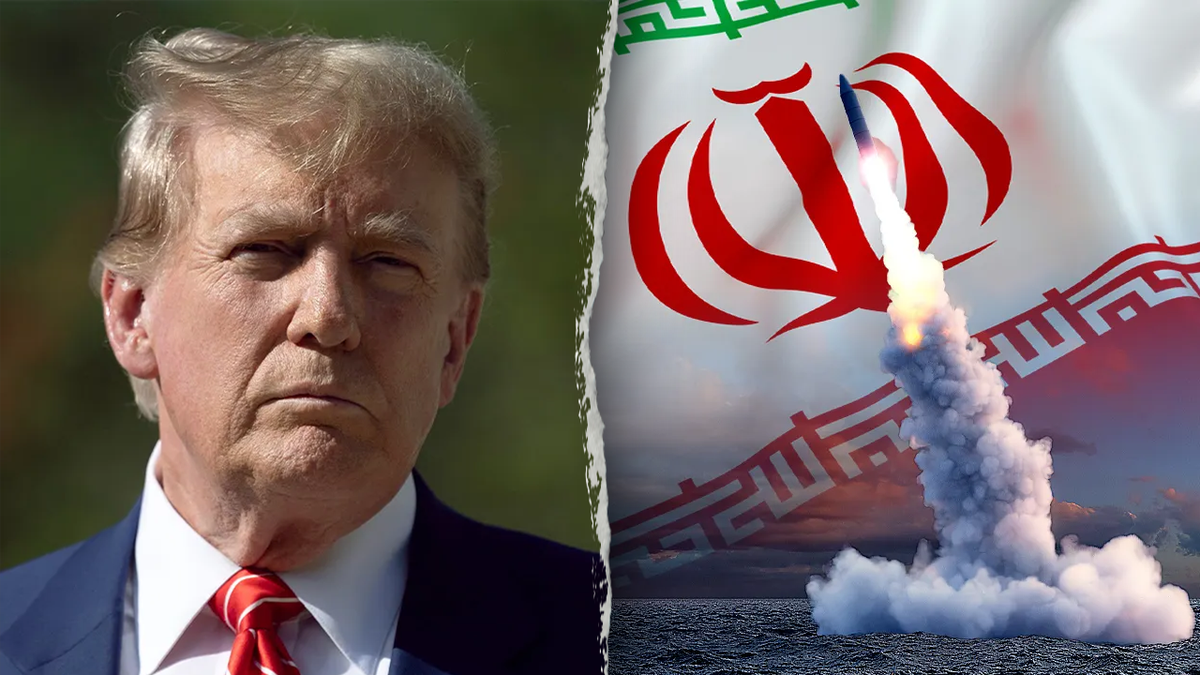
The economic impact has been notable. Nations dependent on oil exports have faced challenges, while the effects have extended beyond the region. In the U.S., energy prices have become a pressing issue, with political implications as elections approach. The White House has so far rejected Iran’s proposal, but calls for a resolution to the standoff have grown. Meanwhile, Iran’s foreign minister has engaged with Russia, a key ally, raising questions about Moscow’s potential role in negotiations.
For more on this story, see Iran offers to reopen Strait of Hormuz for US blockade lift.
The proposal reflects an effort to separate the immediate crisis in the strait from the broader issue of Iran’s nuclear program. For the U.S., however, this separation is unacceptable, as officials insist that any agreement must address both concerns.
Rubio’s Red Line: Why the U.S. Won’t Decouple the Strait from the Bomb
The U.S. entered the conflict with Iran over concerns about its nuclear program, and Rubio’s statements indicate that any deal must address this issue to be considered viable. The administration’s stance is firm: Iran cannot be permitted to advance toward a nuclear weapon, even if the alternative involves prolonged economic challenges. The decision is not solely about security; it also carries political weight.
Energy prices have become a significant factor in domestic politics, particularly with elections on the horizon. While accepting Iran’s proposal could ease economic pressures, it would mean delaying action on nonproliferation, a risk the White House appears unwilling to take. Iran has presented the offer as a step toward relieving global economic strain, but in Washington, it is viewed as an attempt to avoid addressing nuclear concerns.
This difference in perspective lies at the core of the standoff. Iran’s storage limitations add urgency to its proposal, as a shutdown in production could further disrupt markets. However, the U.S. remains steadfast in its position. Rubio’s remarks reflect a broader sentiment within the administration that Iran must not be allowed to evade nuclear accountability. The question now is whether the ceasefire will hold long enough for alternative solutions to emerge—or if the strait will remain closed, with global markets continuing to bear the consequences.
The Pakistan Channel: Why Third-Party Mediation Matters
The proposal did not come directly from Tehran to Washington but was relayed through Pakistan, a country with relationships on both sides but no direct involvement in the conflict. This channel is significant, as Iran has limited options for intermediaries, and Pakistan’s involvement suggests a willingness to explore diplomatic solutions.
This follows our earlier report, Iran proposes easing Strait of Hormuz restrictions for US sanctions relief.
Islamabad’s role also highlights the challenges of direct negotiation. The U.S. and Iran have not held formal talks since the conflict began, and the blockade has complicated backchannel communications. Pakistan’s mediation could provide a way to explore potential compromises without either side making public concessions. However, the process remains delicate, as the officials who confirmed the proposal did so anonymously, underscoring the sensitivity of the discussions.
The next steps depend on the stability of the ceasefire. If it holds, there may be room for a counterproposal that addresses the strait’s reopening while maintaining pressure on nuclear issues. If it collapses, the standoff could persist, with energy markets caught in the middle. The U.S. has already dismissed Iran’s proposal in its current form, but the need for a resolution remains pressing.
What to Watch: Will the Ceasefire Hold?
The ceasefire is essential for any diplomatic progress. If it fails, negotiations will likely stall. Even if it holds, the U.S. has made clear that no agreement will be reached without addressing Iran’s nuclear program. This leaves Iran with limited options. It could attempt to modify its proposal—perhaps by agreeing to partial nuclear inspections—but such steps would require concessions Tehran has so far resisted.
For now, the strait remains restricted, and the blockade continues. Oil prices are rising, and the economic effects are spreading. With elections approaching, energy costs remain a key concern. The White House is prioritizing the long-term risk of a nuclear Iran over the immediate economic impact of higher energy prices. However, this calculation could shift if the standoff persists or if Iran finds new ways to increase pressure.
One certainty remains: the Strait of Hormuz will not remain a passive observer in this conflict. Whether it reopens through diplomacy or other means, the world will be watching closely.