
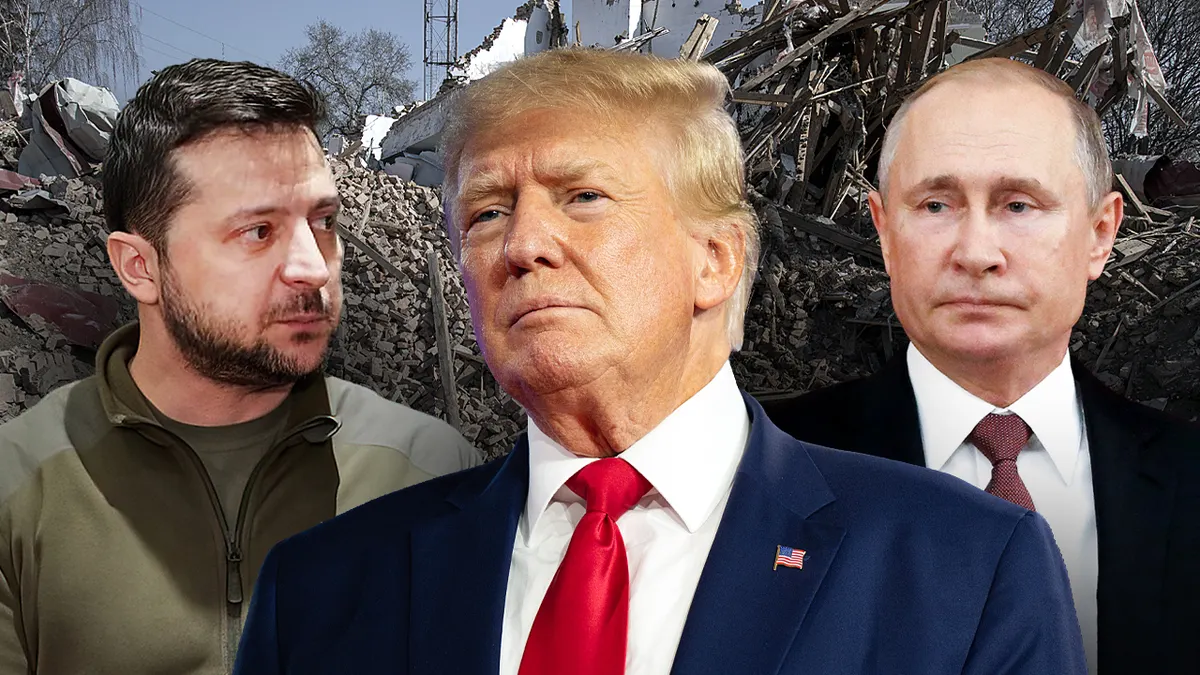
Ukrainian President Volodimir Zelenski and Moldovan President Maia Sandu have condemned a Russian decree that simplifies citizenship acquisition for residents of Transnistria. The leaders warn the move aims to recruit new soldiers for the war in Ukraine and serves as a strategic attempt to claim the breakaway territory.
The decree, signed by Russian President Vladimir Putin, streamlines the process for inhabitants of the Transnistrian region to obtain Russian nationality. While presented as an administrative change, the policy has triggered immediate alarm in both Kyiv and Chisinau, where officials view the move as a direct threat to regional security and sovereignty.
Military Recruitment and Territorial Claims
President Volodimir Zelenski characterized the decree as a multifaceted tool intended to bolster Russian military capabilities. He noted that the granting of citizenship carries inherent military obligations, suggesting that Moscow is seeking to expand its pool of available personnel for the ongoing conflict in Ukraine.
This means not only that Russia is looking for new soldiers in this way – because citizenship implies military obligations – but also that Russia is thus claiming the territory of Transnistria. Those in Moscow often tell various interlocutors that, supposedly, only Donbas interests them. In reality, the stake is much higher than Donbas.
Volodimir Zelenski, President of Ukraine
The Ukrainian leader argued that the move contradicts previous Russian assertions that their primary interests were limited to the Donbas region. By facilitating citizenship for Transnistrians, Zelenski contends that Russia is effectively signaling a formal claim over the breakaway territory of Moldova.
Moldovan President Maia Sandu expressed similar concerns regarding the intent behind the Kremlin’s decision. She indicated that the policy appears designed to stimulate recruitment for the war in Ukraine
, highlighting the potential for the region to be used as a source of manpower for Russian military operations.
Diplomatic Alignment Between Kyiv and Chisinau
In response to the decree, Ukraine has moved to strengthen its security coordination with the Moldovan government. Zelenski stated that he has instructed the Ukrainian Ministry of Foreign Affairs, led by Minister Andrii Sybiha, to work closely with Moldovan authorities to conduct a common evaluation and common actions
regarding the situation in Transnistria.
The presence of Russian military contingents and special services within Transnistria remains a primary security concern for Ukraine. Zelenski emphasized that the stability and strength of Moldova are vital to Ukrainian interests, noting that the Russian presence in the region represents a persistent challenge to regional peace.
This coordinated approach suggests that Kyiv and Chisinau are treating the citizenship decree not as an isolated legal matter, but as a coordinated geopolitical maneuver. The focus of the bilateral coordination will likely center on monitoring the movement of personnel and the legal implications of increased Russian influence within Moldovan borders.
Administrative Pressure in Moldova
The impact of the decree is already visible in diplomatic channels. Reports indicate that the Russian Embassy in Chisinau is experiencing a high volume of applications from Transnistrian residents seeking Russian citizenship. This surge in requests underscores the immediate administrative pressure being exerted on the Moldovan state.
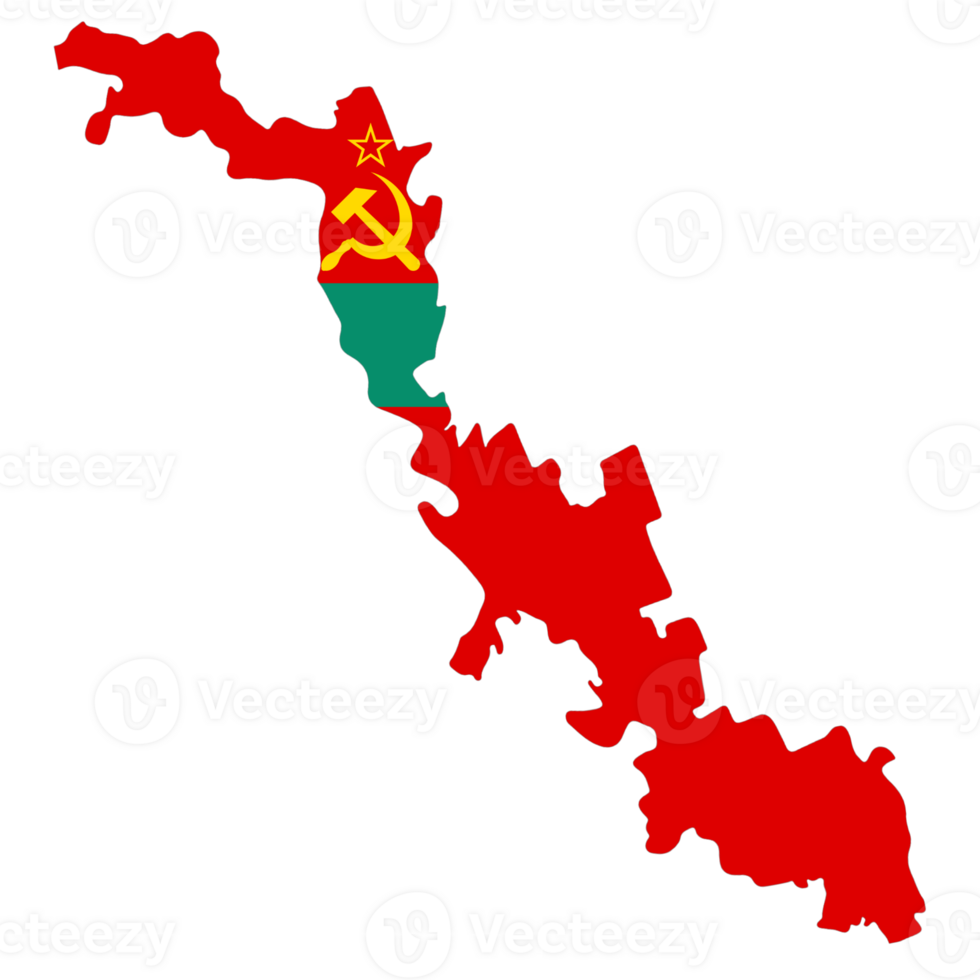
The influx of applications presents a challenge for Moldovan authorities, who must navigate the legal and political fallout of a large segment of their territory moving toward formal alignment with Moscow. The ability of the Moldovan government to maintain control over its borders and its administrative processes is being tested by this rapid shift in the local population’s legal status.
As the situation develops, the international community will be watching to see if this administrative ease leads to a tangible increase in Russian military presence or if it serves as a precursor to further territorial provocations. The coordination between Ukraine and Moldova remains the primary defense against the potential escalation of Russian influence in the region.