

Isaac Fonseca, José Fernando Molina, and Jarocho faced a grueling afternoon at Las Ventas on Wednesday, May 27, 2026, during the 17th celebration of the San Isidro Fair. The matadors grappled with demanding bulls from Pedraza de Yeltes, resulting in several injuries and a lack of artistic consistency throughout the afternoon session at the Madrid venue.
The Demanding Nature of the Pedraza de Yeltes Bulls
The bulls provided for this celebration, sourced from the Pedraza de Yeltes ranch, proved to be a significant hurdle for the performers. While they possessed impressive volume and weight, averaging between 605 and 610 kilograms, they were largely described as lacking spirit and drive. According to EL PAÍS, the animals were often rough, uneven, and difficult to handle, forcing the matadors to work intensely without much reward. The physical profile of the livestock required significant strength to manage, yet their erratic movements prevented the establishment of a rhythmic performance.
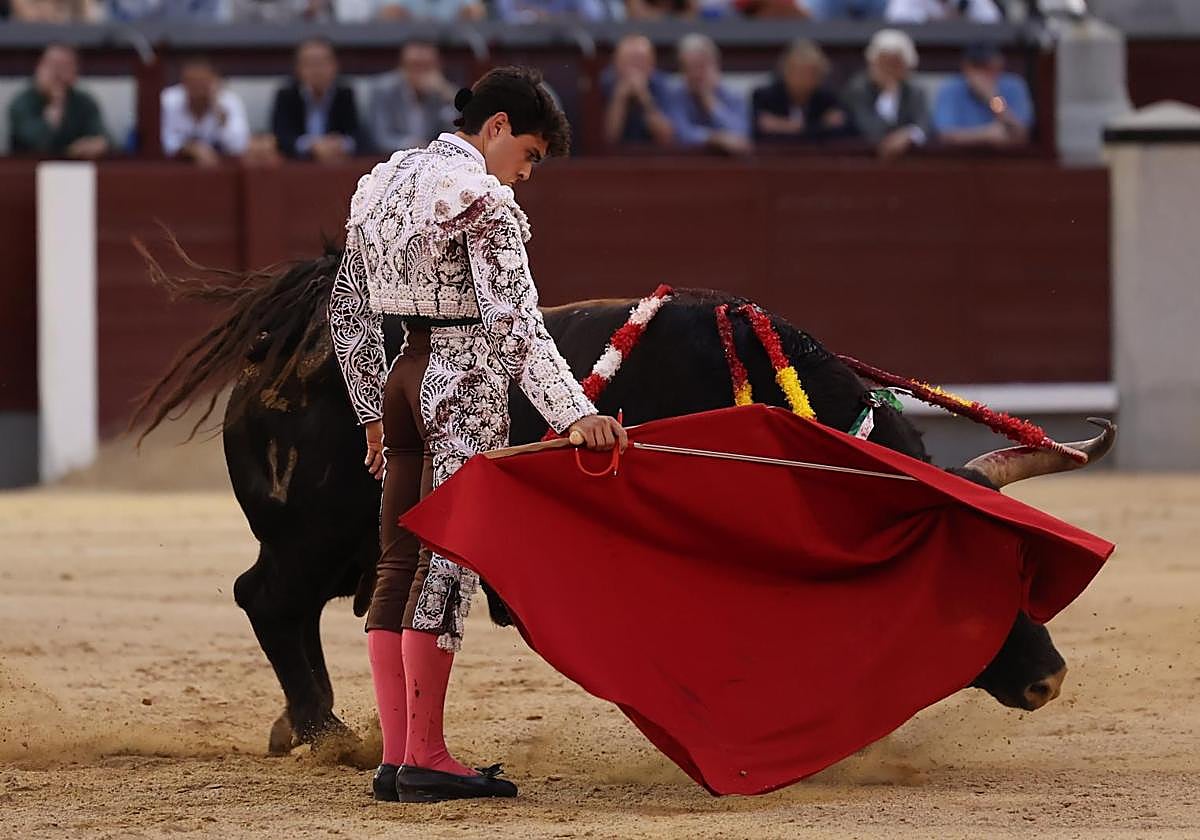
The first two bulls were particularly uninspiring, described as sleepy and heavy-footed, offering almost no opportunity for the matadors to showcase their skill. These early encounters lacked the necessary momentum to engage the capacity crowd at Las Ventas. The fifth bull was especially problematic, acting in a disorganized and brusque manner that eventually led to an injury during the banderillas stage. This specific animal’s unpredictable trajectory created a chaotic environment in the ring. The sixth bull also lacked clarity in its behavior, though it did allow for some brief moments of brilliance during the final stages of the afternoon.
Jarocho’s High-Stakes Performance with the Third Bull
Amid a generally leaden afternoon, Jarocho provided the most notable moments of quality. He focused his efforts on the third bull, a 624-kilogram animal that stood out as the only one showing true temperament and strength among the Pedraza de Yeltes lot. As La Rioja reported, Jarocho took significant risks by opening his passes at a distance without prior testing, a bold strategy that met the aggressive nature of the bull. This high-risk approach was intended to exploit the animal’s temperament, though it placed the matador in immediate physical jeopardy.
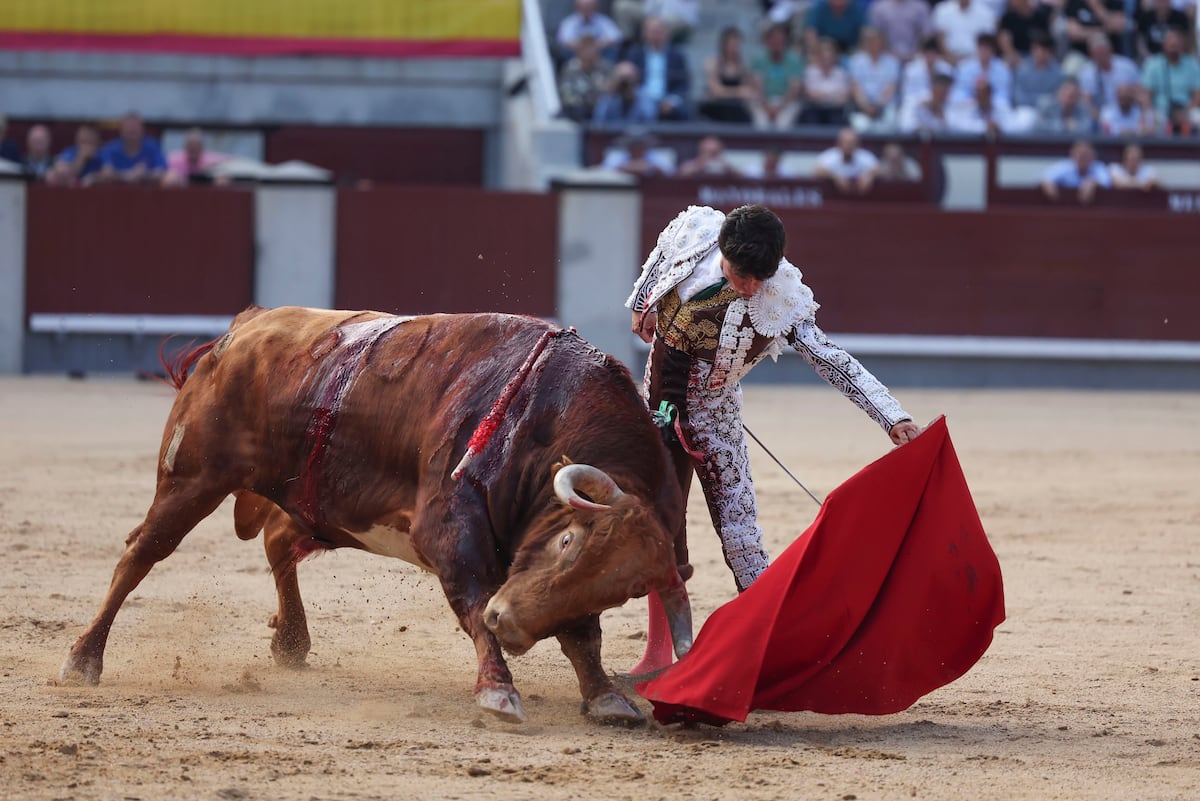
While Jarocho managed to execute a series of long, beautiful, slow-motion passes that momentarily delighted the crowd, his performance was marred by technical errors in the final stages. The momentum gained during the muleta work was lost when he struggled with the kill, failing to complete the sword thrusts effectively, which prevented a more decorated score from the judges. The inability to finalize the encounter cleanly left the performance feeling incomplete despite the initial displays of bravery.
His colleagues faced their own struggles against the stubborn livestock. José Fernando Molina, performing in night blue and gold, dealt with a composed but uninspiring first bull and a decisive but difficult encounter with the fifth. Isaac Fonseca, wearing royal blue and gold, faced a monumental tumble with the fourth bull, narrowly escaping a more serious accident thanks to a timely intervention by his team. The assistance from his peones and mozo de espadas was critical in stabilizing the situation following the fall.
Physical Toll and Injuries at Las Ventas
The difficulty of the bulls translated into physical danger for those in the ring. Despite surviving a monumental fall with the fourth bull, Fonseca required immediate medical attention. He was treated for a contusion and a puncture wound in his left pretibial area, a condition that has been met with a reserved prognosis by medical staff at the venue. The severity of the impact during the tumble necessitated careful monitoring of the wound and the surrounding tissue.
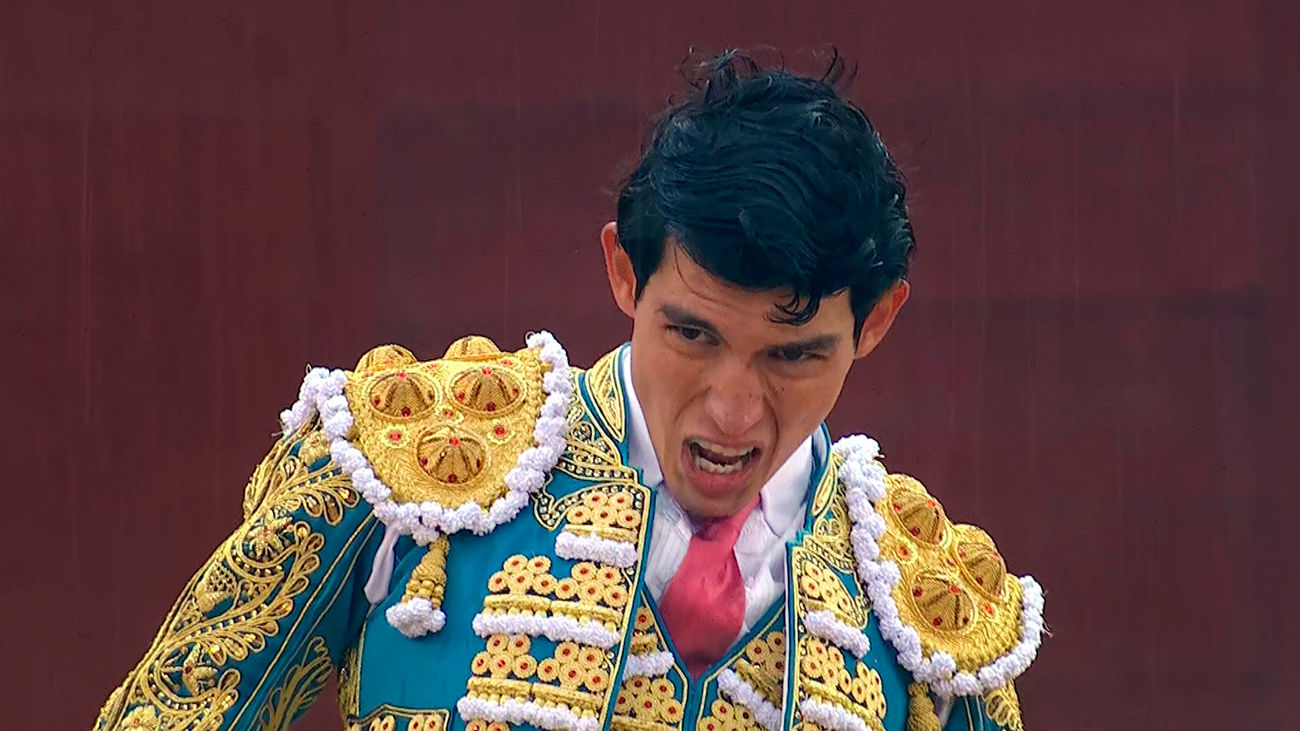
The fifth bull also caused chaos when it collided with a horse and subsequently gored the bullfighting assistant, Víctor Manuel Martínez. The collision disrupted the order of the ring, leading to a period of intense tension. Martínez was taken to the infirmary to be treated for various contusions sustained during the encounter. The medical response at Las Ventas addressed the immediate trauma caused by the animal’s disorganized charge.
Despite the tension and the physical risks, an audience of 19,058 spectators filled the stands at Las Ventas, as noted by Diario Córdoba. The high attendance underscored the continued interest in the festivities despite the technical difficulties presented by the livestock. The event, which was part of the San Isidro Fair’s 17th scheduled celebration, underscored the unpredictable and often punishing nature of the sport when faced with particularly stubborn livestock.


