
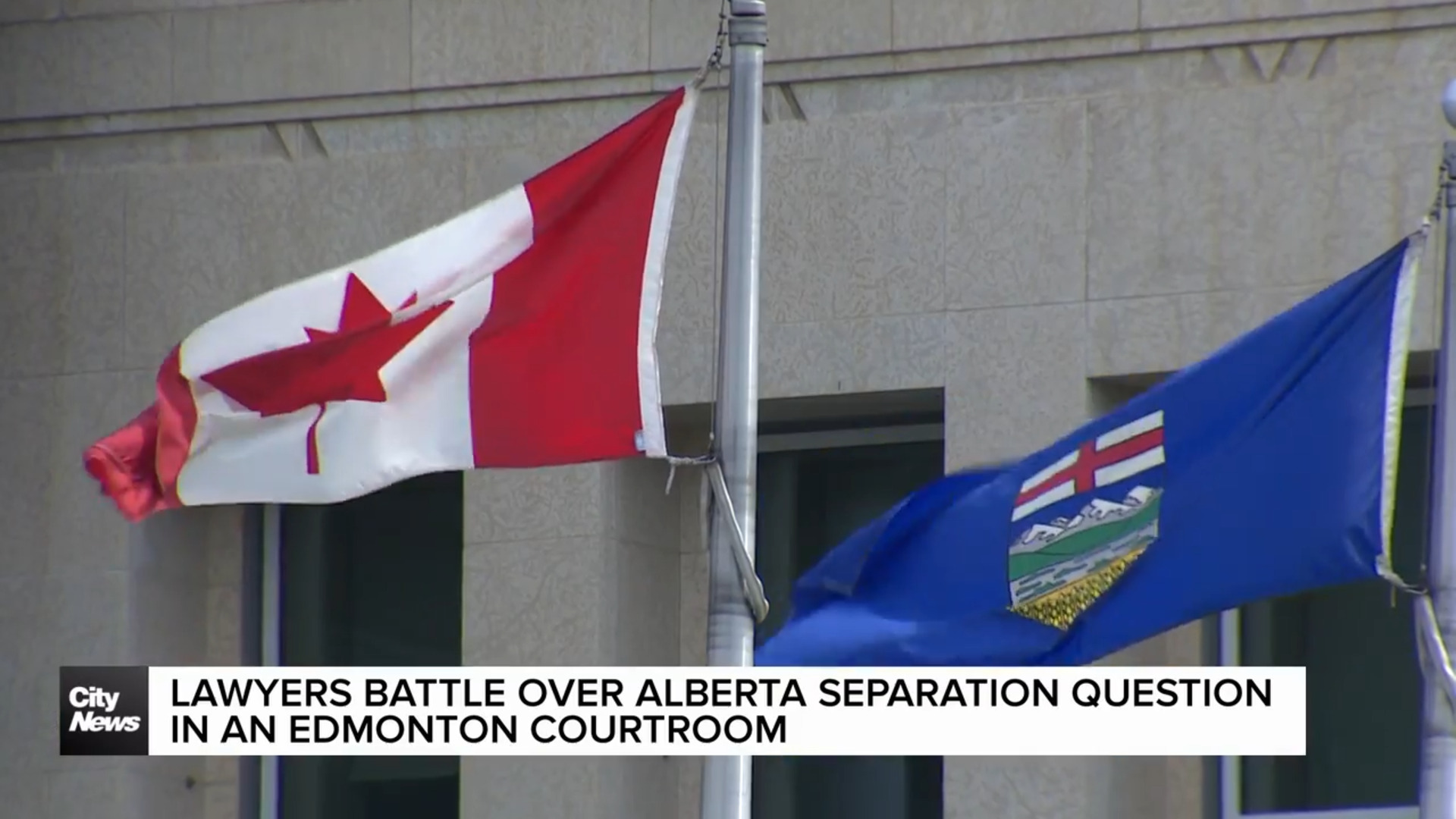
An Alberta judge on May 13, 2026, quashed a separatist petition seeking a referendum on Alberta’s separation from Canada, ruling that the provincial government had a duty to consult with First Nations and that the petition process violated treaty rights.
Court Halts Alberta Separation Petition, Citing Treaty Rights Violation
Alberta’s separatist movement suffered a major legal setback on May 13, 2026, when Justice Shaina Leonard of the Alberta Court of King’s Bench ruled that a petition to hold a referendum on separation from Canada could not proceed without proper consultation with First Nations. The decision, which came after a legal challenge by the Athabasca Chipewyan First Nation (ACFN) and the Blackfoot Confederacy, effectively quashed the petition, stating that the provincial government’s actions breached its constitutional duty to consult Indigenous peoples and that the referendum process threatened treaty rights.
The ruling follows a month-long stay granted on April 26, which paused the validation of signatures collected by the separatist group Stay Free Alberta. The stay was issued after the First Nations argued that the petition process undermined treaty obligations and that the province had failed to consult them as required by law. Justice Leonard’s final decision reinforced these concerns, declaring that the petition should never have been issued in its current form.
Legal Arguments Over Treaty Obligations and Provincial Referendum Laws
The legal challenge centered on whether Alberta’s Citizen Initiative Act, which governs referendum petitions, complies with the Canadian Constitution, particularly the rights and treaty obligations of First Nations. The ACFN and Blackfoot Confederacy argued that any separation referendum would violate treaty promises and that the province’s failure to consult them constituted a breach of the Crown’s fiduciary duty. Lawyers for the separatist group, led by Mitch Sylvestre, had defended the process, asserting that the petition was a legitimate exercise of democratic rights.
In her ruling, Justice Leonard noted that the absence of consultation could result in “irreparable harm” to treaty relationships and that the balance of convenience favored granting the stay. The judge also found that the applicants had met the threshold for demonstrating arguable issues, including whether the Crown had breached its duty to consult and whether the provincial law was unconstitutional.
“We shall never allow our treaties to be broken. We are standing up for our treaties, for our people and for the land that is all under threat through this referendum effort.”
Allan Adam, Chief of the Athabasca Chipewyan First Nation
Chief Adam’s statement underscored the First Nations’ position that the separatist movement posed an existential threat to their legal rights and the integrity of Confederation. The ruling does not, however, halt the collection of signatures, which was set to conclude on May 2, 2026. The separatist group, Stay Free Alberta, has indicated it will continue gathering signatures but has not yet clarified how it will proceed in light of the court’s decision.
Stay Free Alberta’s Uncertain Future After Court Ruling
The separatist group’s next steps remain uncertain. Legal experts suggest that Stay Free Alberta could appeal the ruling or seek a different legal path to advance its cause. Premier Danielle Smith, who has publicly supported the possibility of a separation referendum, has not yet commented on the court’s decision. If the petition had secured enough signatures, the group intended to refer the matter to Justice Minister Mickey Amery, who would have had the discretion to place the question on the ballot this fall.

For now, the separatist movement is in legal limbo. The court’s decision effectively blocks the certification of the petition, leaving the future of the referendum in doubt. The ACFN and Blackfoot Confederacy have framed their victory as a defense of treaty rights and Confederation, while separatist supporters argue that the issue should be decided by the people of Alberta through a democratic process.
What is clear is that the legal battle is far from over. The court’s ruling has injected a new layer of complexity into the separatist movement, one that will likely play out in both the courts and the political arena in the coming months.
Broader Constitutional and Political Ramifications for Alberta and Canada
The court’s decision highlights the tension between provincial autonomy and Indigenous rights in Canada. The separatist movement in Alberta has long been a contentious issue, with proponents arguing for greater provincial control and opponents warning of the potential consequences for national unity and treaty obligations. The ruling underscores the legal and political challenges that any attempt to hold a separation referendum would face, particularly given the constitutional protections afforded to First Nations.
For Alberta’s First Nations, the decision is a significant victory in their ongoing efforts to protect their rights and ensure that any major changes to the province’s political landscape are made in consultation with them. For separatists, the ruling is a setback, but not necessarily a final one. The legal and political debate over Alberta’s future is likely to continue, with the courts and the public square remaining key battlegrounds.
The coming weeks will be critical in determining whether the separatist movement can regroup and find a path forward, or whether the court’s ruling marks the beginning of the end for the immediate push for a separation referendum.