
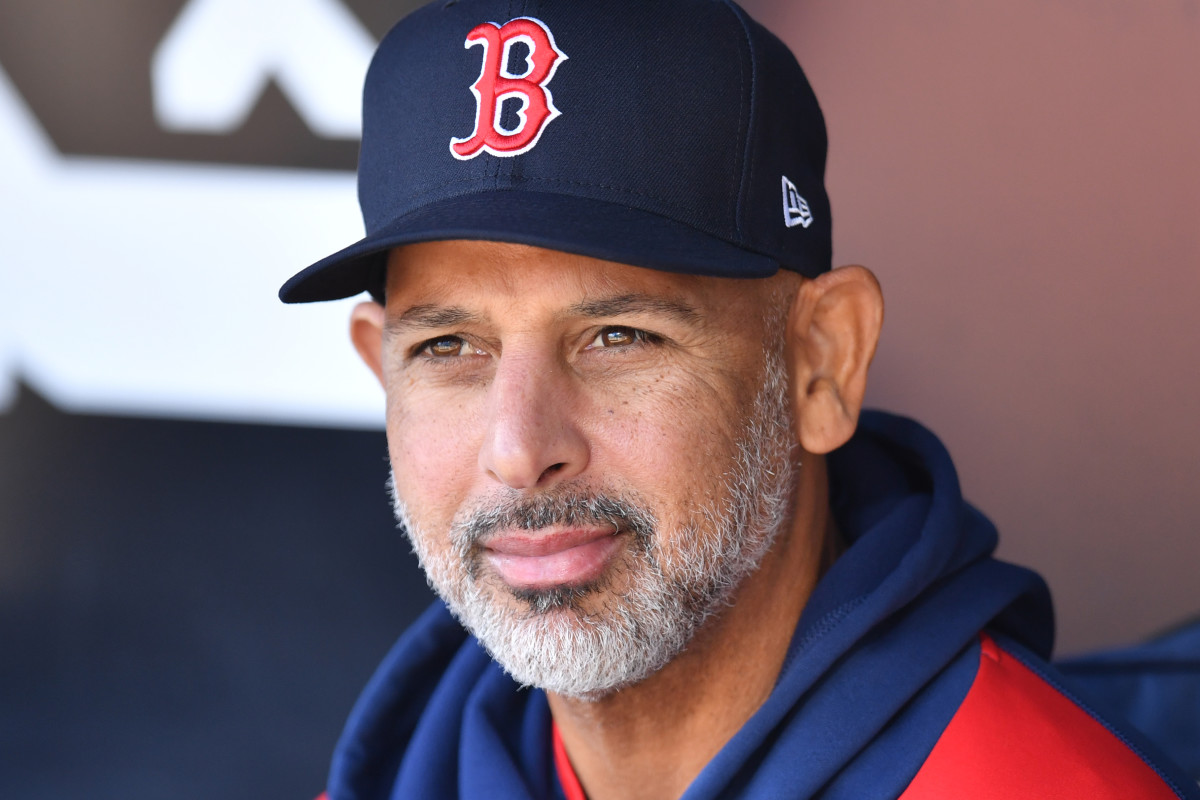
The Boston Red Sox fired manager Alex Cora and five members of his coaching staff on Saturday, a stunning early-season move that came despite a 17-1 blowout win over the Orioles the same day.
Cora, who led Boston to a World Series title in 2018 and had guided the team back to the playoffs in 2025 after an 89-win season, was dismissed along with hitting coach Peter Fatse, assistant hitting coach Dillon Lawson, bench coach Rámon Vázquez, third-base coach Kyle Hudson, and Major League hitting strategy coach Joe Cronin. The Red Sox announced the changes after snapping a four-game losing streak with a lopsided victory, underscoring the disconnect between isolated performance and the broader trend that prompted the overhaul.
Chad Tracy, 40, who has managed the Triple-A Worcester Red Sox since 2022, was named interim manager. Game planning and run prevention coach Jason Varitek was reassigned to a new role within the organization, though details of his new position were not disclosed. The firings left Boston with a 10-17 record through 27 games, placing them second-to-last in the American League and last in the AL East — a start far below expectations for a team that had invested in roster upgrades during the offseason.
Red Sox principal owner John Henry issued a statement expressing deep gratitude for Cora’s contributions, both on and off the field, acknowledging the difficulty of the decision given the manager’s lasting impact since his arrival in Boston. “Alex Cora led this organization to one of the greatest seasons in Red Sox history in 2018, and for that, and the many years that followed, he will always have our deepest gratitude,” Henry said. “He has had a lasting impact on this team and on this city. He has led on and off the field in so many critical ways. These decisions are never easy, but this one is especially tough given what Alex has meant to the Red Sox since the day he arrived.”
The timing of the move — coming just one game after a dominant offensive outburst — raised questions internally about whether the shakeup was a reaction to short-term struggles or a longer-term loss of confidence in the coaching approach. Sources noted that even as Cora bore responsibility for the team’s early struggles, the front office had also committed significant resources to improve the roster, suggesting the blame could not rest solely on the manager’s shoulders.
Analysts pointed to the Red Sox’ offensive inconsistencies and pitching volatility as deeper issues that may not be solved by a managerial change alone. The firing of multiple hitting coaches — Fatse, Lawson, and Cronin — signaled a broader dissatisfaction with the team’s approach at the plate, which had ranked among the worst in the league through April. Yet the simultaneous reassignment of Varitek, a franchise icon known for his defensive acumen and game preparation, hinted that the organization still valued certain elements of its staff, even as it sought a new direction.
For Tracy, the promotion represents both an opportunity and a steep challenge. Having spent the last three seasons developing talent in Worcester, he now steps into a high-pressure environment with a veteran-laden clubhouse expecting immediate results. His ability to stabilize the clubhouse, communicate effectively with players, and implement adjustments without the benefit of a full spring training will be closely watched in the coming weeks.
The decision also reignites debate over how much managerial accountability should factor into early-season evaluations, particularly when external factors like injuries, underperformance, and roster construction play significant roles. While Cora’s tenure included two playoff appearances and a championship, the 2026 start — marked by a 1-5 road trip to begin the year and a 2-8 overall beginning — was deemed unacceptable by ownership, prompting a rare mid-season reset before May.
As Boston navigates this transition, the focus will shift to whether Tracy can arrest the decline and whether the front office will consider further moves — either through additional staff changes, player acquisitions, or internal promotions — to salvage a season that began with playoff aspirations but now faces the prospect of another missed postseason.
Who is Chad Tracy and what experience does he have as a manager?
Chad Tracy, 40, has served as manager of the Triple-A Worcester Red Sox since 2022, overseeing player development at the highest minor league level before being promoted to interim manager of the major league club.
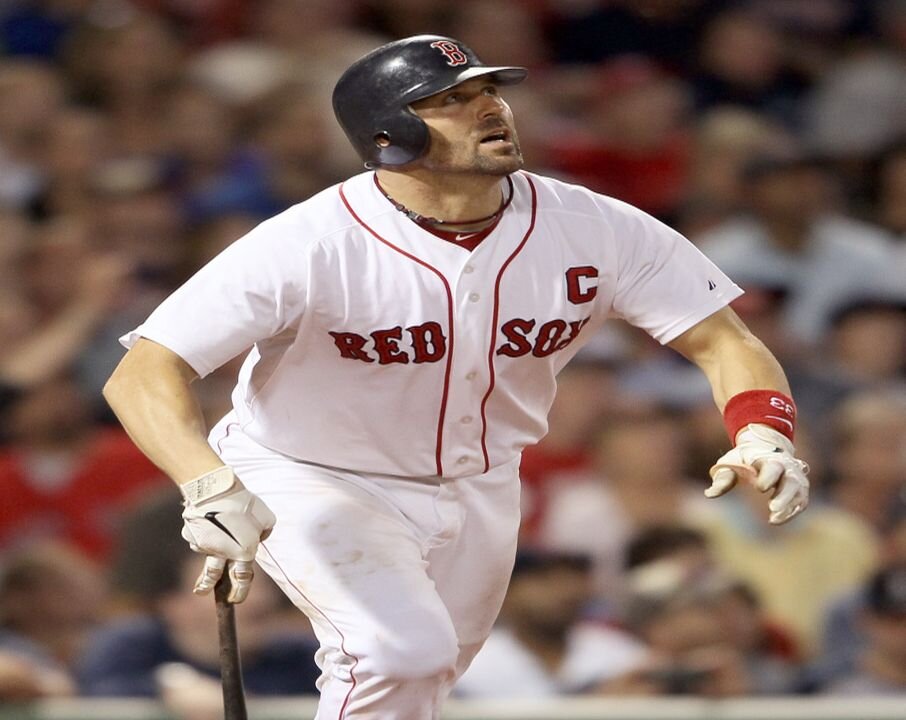
What role will Jason Varitek take after being reassigned?
Jason Varitek, the game planning and run prevention coach, has been reassigned to a new role within the organization, though the Red Sox have not yet disclosed the specifics of his new position.