
Australia’s Labor government has turned its capital gains tax discount overhaul into an internet meme phenomenon, with small business owners using AI-generated images of Prime Minister Anthony Albanese as their “new silent partner” to mock the 30% minimum tax on capital gains.
Small Businesses Weaponize Memes Against CGT Changes
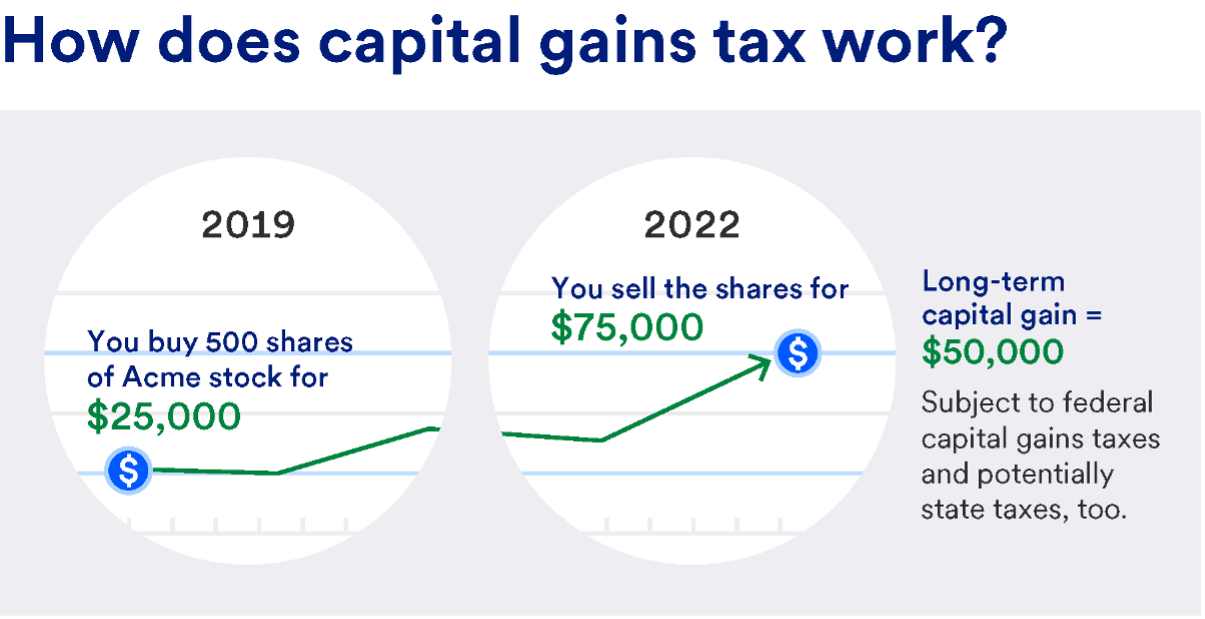
In the days following the May 2026 federal budget, a viral social media campaign has seen entrepreneurs across Australia adopt a satirical tone, using AI-generated images of Prime Minister Anthony Albanese and Treasurer Jim Chalmers as their “new co-owners.” The memes, which depict Albanese and Chalmers as silent business partners in start-ups and small firms, reflect widespread frustration over Labor’s decision to scrap the 50% capital gains tax (CGT) discount and replace it with an inflation-indexed model plus a 30% minimum tax on net capital gains.
Posts on platforms like Instagram and Facebook show Albanese inserted into team photos, product shoots, and even construction sites, with captions like “time to finally announce our official partnership” and “new silent business partners.” One Perth-based business, Momentum Mowing, paired the AI-generated Albanese with the 1976 Steve Miller Band song “Take the Money and Run,” underscoring the sentiment that the tax changes feel like a direct hit to business owners’ bottom lines.
The campaign has resonated particularly with small business owners who argue that the cumulative tax burden, combined with rising overheads, is squeezing margins. Tyler Hawker, co-owner of CTH Electrical in Osborne Park, said the new tax regime adds to the pressure of already high costs. “It’s a lot of different taxes that add up into your business,” he said. “The revenue sounds amazing, but when you put into hindsight the taxes, cost of supplies, and wages, the margins just keep going down.”
Hawker’s experience reflects broader concerns from start-up founders, who have labeled the CGT changes a “tax on success.” The government’s move to replace the long-standing 50% discount with a system that better accounts for inflation—and imposes a minimum tax rate—has been framed as a step toward intergenerational fairness, but critics say it will drive investment offshore and stifle small business growth.
—
Government Frames Reforms as Market Efficiency
The federal budget papers explicitly state that the reforms to negative gearing and capital gains tax are intended to “improve the efficiency of investment decisions.” The current CGT discount, the budget argues, has encouraged investors to “pile into existing housing, pushing prices up and blocking people out of the housing market, particularly younger people.”
Treasurer Jim Chalmers has defended the changes, arguing that the current system undercompensates investors in the share market for the impact of inflation. Data from the budget shows that, for ASX 200 shares held for 10 years to March 2026, inflation accounted for 56% of asset price growth, while for property, inflation made up only 38%. This discrepancy, the government says, means the flat 50% discount overcompensates property investors compared to those in shares.
However, the reforms have not been universally welcomed. Established private investor Liam Walsh, who holds $3 million in high-growth shares, expects to take a financial hit but supports the policy on principle. “I think it’s a really good policy,” he said. “It sucks for me because I’m going to lose money.”
Economist Devika Shivadekar of RSM Australia agrees that the changes could shift investment away from property, but warns that the impact on share investors will be significant. “Australians’ obsession with building property portfolios has, over time, created an inequity between the haves and the hopefuls,” she said. “In isolation, CGT changes might cost share investors, but it will likely encourage people to look for investments outside of property.”
—
Opposition Vows to Reverse Changes
The Coalition has pledged to reverse Labor’s tax overhaul if it wins the next election, framing the changes as a $70 billion gamble with the economy. Shadow Treasurer Tim Wilson has made it clear that the opposition will not support the reforms to negative gearing or the CGT discount, positioning the issue as a key battleground in the upcoming political cycle.
The meme campaign, while humorous, underscores the real-world impact of the government’s tax changes. For small business owners, the new rules feel less like a policy shift and more like a direct challenge to their ability to compete and grow. As the debate intensifies, the question remains whether the reforms will achieve their stated goals of fairness and market efficiency—or whether they will further strain an already fragile business environment.
—
What Comes Next
The government has set July 2026 as the start date for the new CGT rules, meaning the impact on investors and small businesses will be felt within months. The opposition’s pledge to reverse the changes adds another layer of uncertainty, with the next federal election looming as a potential turning point for Australia’s tax landscape.
For now, the memes continue to spread, serving as both a release valve for frustration and a stark reminder of how deeply the tax changes have resonated with the business community. Whether the reforms ultimately stand or are rolled back, the debate over capital gains tax—and its role in shaping Australia’s economy—is far from over.