
A ceasefire between Israel and Lebanon began on April 17, 2026, following weeks of cross-border fire that displaced thousands and strained regional stability.
Hezbollah’s weapons remain the central obstacle to lasting peace
The U.S., Israel, and many Lebanese officials demand Hezbollah disarm, accusing the group of advancing Iranian interests and dragging Lebanon into conflicts not of its making.
Hezbollah retains an arsenal estimated at over 130,000 rockets and missiles, according to UN assessments cited in prior reporting, though the BBC source did not repeat the figure.
Global energy markets face strain as Iran blocks Strait of Hormuz
Iran’s continued blockade of the Strait of Hormuz has triggered warnings from the International Energy Agency about imminent jet fuel shortages in Europe.
IEA Executive Director Fatih Birol said Europe may have only six weeks of jet fuel reserves left, risking flight cancellations if the strait remains closed.
Birol warned the energy pinch could raise gasoline, gas, and electricity prices worldwide, with developing nations in Asia, Africa, and Latin America hit first, and hardest.
Ceasefire offers temporary relief but no resolution to underlying tensions
Lebanese civilians in southern villages reported returning to homes after weeks in shelters, though many expressed skepticism the truce will hold without addressing Hezbollah’s role.
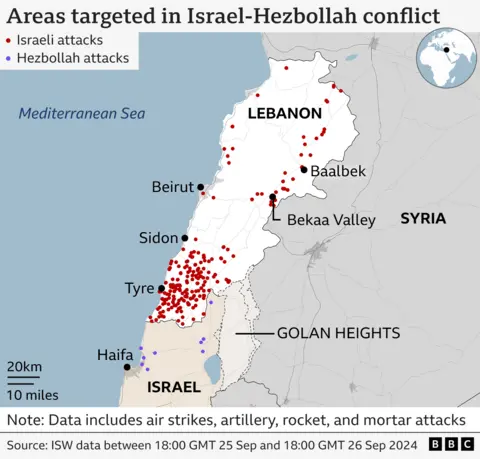
Israeli officials said the ceasefire allows time to assess humanitarian needs but reiterated that long-term security requires a solution to the arms issue.
What triggered the ceasefire between Israel and Lebanon?
The ceasefire followed escalating exchanges of fire across the Blue Line, including rocket fire from southern Lebanon and Israeli airstrikes on Hezbollah targets, which prompted international diplomatic intervention.
Why is Hezbollah’s weapons stockpile a barrier to peace?
The U.S., Israel, and segments of the Lebanese population view Hezbollah’s arsenal as a tool of Iranian influence that undermines Lebanese sovereignty and risks dragging the country into wider regional wars.