
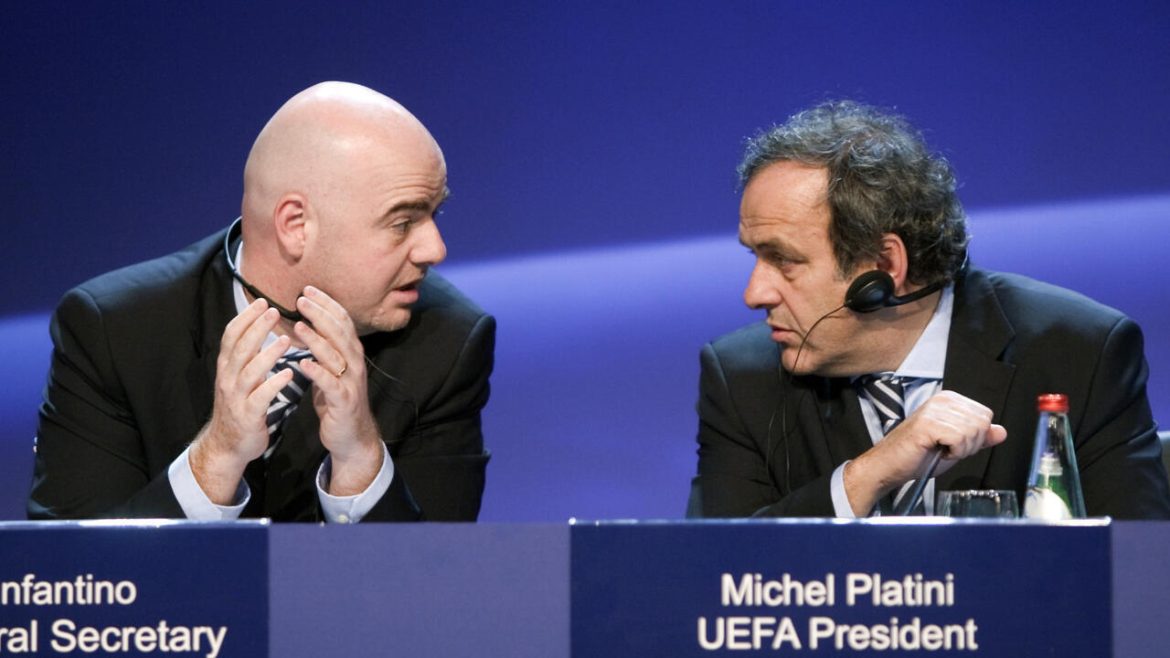
Michel Platini has filed a criminal and civil lawsuit against FIFA President Gianni Infantino and two former officials, alleging influence peddling and slander. The former UEFA chief seeks damages for maneuvers he claims were designed to block his 2015 FIFA presidency bid, a move that will trigger the appointment of a Swiss investigating judge.
The legal mechanism behind the new complaint
The legal escalation marks a significant shift from Platini’s previous attempts to seek justice in Switzerland. While he filed simple complaints in 2018 and 2021, those actions were either dismissed due to the statute of limitations or closed without further proceedings. This latest move, however, involves a formal “constitution de partie civile,” or a civil party status.
This procedural shift allows Platini’s legal team to participate directly in the criminal proceedings, granting them the right to access the investigation files and suggest specific investigative steps to the judge. Unlike the previous dismissals, this status ensures that the prosecution cannot simply close the file without a judicial review of the evidence provided by the civil party. The investigating judge will now be tasked with determining whether there is sufficient evidence to proceed to a full trial.
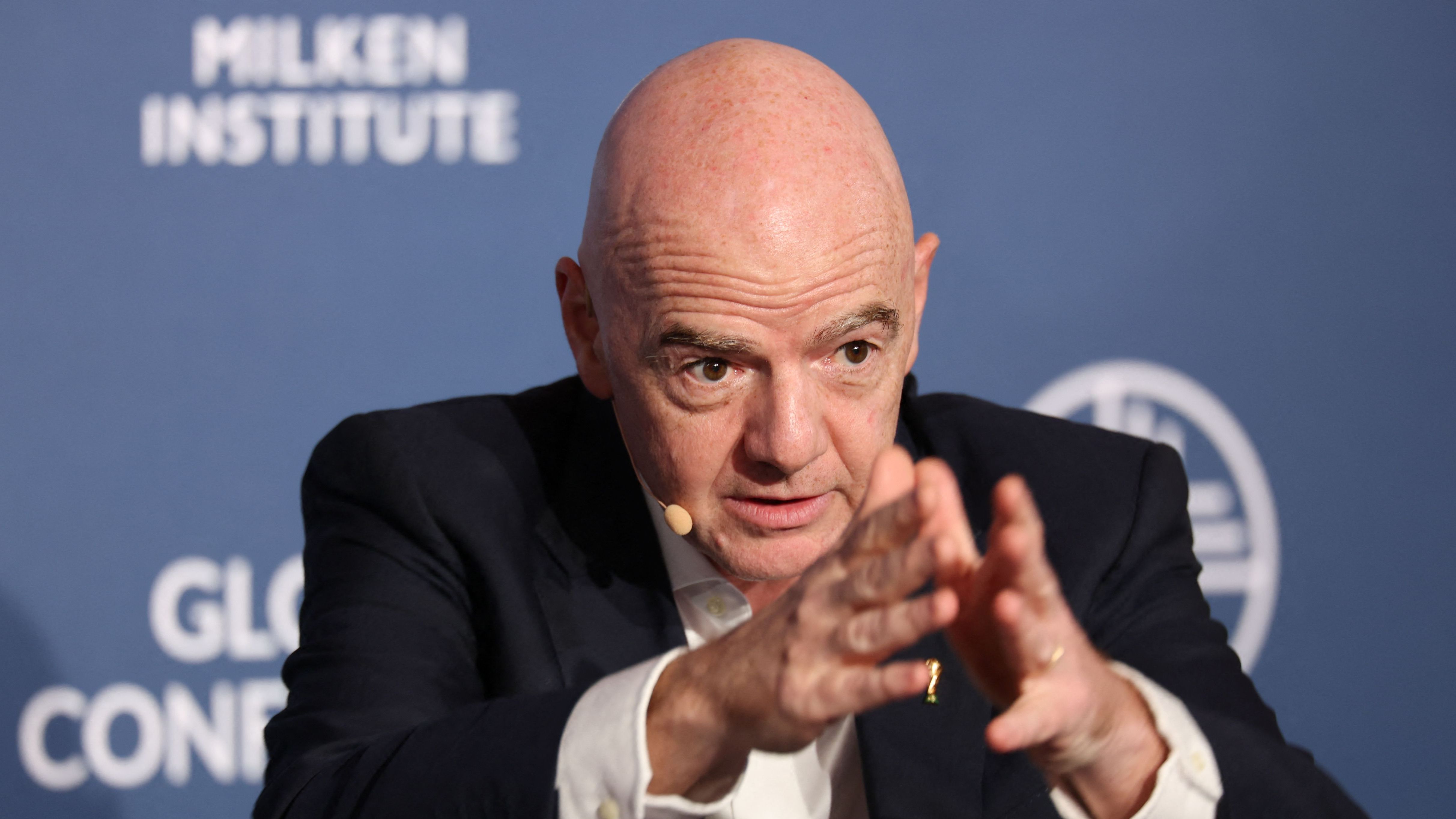
As France24 reported, this specific legal status will “trigger the designation of an investigating judge” to oversee the case. Beyond the criminal allegations, the triple Ballon d’Or winner is launching civil liability proceedings against FIFA itself.
Platini’s legal team is seeking financial compensation “to obtain reparation for all damages” resulting from what he describes as “maneuvers used to prevent him from being elected FIFA president in 2015.”
The civil liability claim seeks compensation for both material and moral damages. This includes the professional impact of his removal from the UEFA presidency and the loss of potential career opportunities following his exclusion from the 2015 FIFA presidential race.
The specific targets and alleged maneuvers
Platini is not merely targeting the organization; he has named specific individuals whom he claims “worked to exclude him from the race for the presidency” through what he calls “totally unfounded accusations.”
- Gianni Infantino, the current FIFA President and former UEFA Secretary General.
- Marco Villiger, the former FIFA legal director.
- Domenico Scala, the former president of the FIFA Audit and Compliance Commission.
The litigation specifically targets the intersection of FIFA’s legal and oversight departments during the 2015 transition. As the former legal director, Villiger was central to the regulatory decisions regarding candidate eligibility. Similarly, Scala, as the head of the Audit and Compliance Commission, was tasked with ensuring the independence of FIFA’s judicial bodies—a role designed to act as a watchdog for the organization’s governance. Platini claims these functions were compromised to facilitate the leadership change.
The core of the grievance stems from the fallout of a 2 million Swiss franc (1.8 million euro) payment made to Platini by FIFA four years prior to the 2015 election cycle. While the legal battles surrounding that payment were intense, Platini secured a definitive acquittal in Switzerland in August 2025. Despite that victory, his resolve remains unchanged.
The August 2025 acquittal in Switzerland provides the legal basis for the slander allegations. Platini’s lawyers contend that the criminal proceedings regarding the 2 million Swiss franc payment were the primary instrument used to dismantle his reputation and eligibility. Following the court’s finding that no criminal activity occurred regarding that payment, the focus has shifted to whether the accusations themselves were made in bad faith to achieve a political end.
“I will not let go of the people who have hurt me,” Platini stated during a broadcast on RMC last March.
Michel Platini, via France24A decade of litigation and the 2015 fallout
To understand the current litigation, one must look back to the era of systemic corruption that gripped football governance a decade ago. In 2015, FIFA faced intense scrutiny as multiple leaders were arrested for corruption and malpractice. While then-president Sepp Blatter remained untouched by those specific arrests, he resigned shortly after the scandal broke.

Goal.com notes that the vacuum left by the 2015 crisis allowed Infantino to ascend the hierarchy, moving from his role as UEFA’s Secretary General to the FIFA presidency in 2016. Infantino has since been re-elected in 2019 and 2023, and he is preparing for a new mandate in March 2027. Infantino’s upcoming bid for a third term in March 2027 is expected to be a central focus of FIFA’s upcoming Congress. The presence of an active criminal investigation involving the sitting president adds a layer of legal complexity to the organization’s governance as it manages the transition to the 2026 World Cup cycle.
For Platini, the transition was not a natural progression but a coordinated displacement. He maintains that the very mechanisms intended to uphold integrity were weaponized to derail his candidacy at the moment he was most prepared to succeed Blatter.
Timing the strike: FIFA’s leadership and the World Cup
The announcement of the lawsuit comes at a highly sensitive moment for the sport. As the football world prepares for the upcoming World Cup, the organization is once again facing a high-profile legal challenge from one of its most recognizable former leaders.
L’Équipe reported that neither Infantino nor FIFA has issued a formal response to the legal filings. The organization is currently focused on the logistical and operational demands of the World Cup, yet the appointment of a Swiss investigating judge ensures this conflict will not remain a dormant issue. The legal proceedings coincide with the lead-up to the 2026 World Cup, a tournament that represents the most significant commercial and operational milestone for FIFA under Infantino’s tenure. The outcome of this investigation will be closely monitored leading up to the March 2027 FIFA Congress, where the organization’s leadership will be formally contested and the next cycle of FIFA governance will be established.
As the criminal investigation begins, the focus will shift to whether the maneuvers used in 2015 can be proven in a court of law, or if this remains a final, personal chapter in a decade-long struggle for the soul of football governance.