

France implemented a zero-euro excise tax on collective electricity self-consumption on March 1, 2025, fundamentally altering the economics of shared renewable energy. This legislative shift toward energy autonomy mirrors a growing scientific focus on epigenetics, where lifestyle factors increasingly dictate how individuals manage their biological aging processes.
Epigenetics and the biological mechanics of aging
Modern longevity experts are shifting the conversation from a struggle against time to a process of healthy aging. Rather than viewing aging as a series of losses to be prevented, researchers suggest it is an opportunity to live with strength, vitality, and self-care. According to news.google.com, Dr. Mikaela Robbins, an expert in hormonal health and longevity, describes this as a way to experience years with energy and self-love rather than simply trying to stop the clock.
While many assume that biological destiny is written in stone, the influence of DNA is more limited than previously thought. Scientific consensus indicates that genetics only account for approximately 20–30% of the aging process. The remaining majority of how a person ages is determined by epigenetics—the study of how daily habits and environmental factors influence gene expression.
Dr. Kristina Del Toro Badesa, an emergency medicine physician, notes that individuals who age consciously are often identifiable by more than just their physical appearance. They are characterized by their proactive approach to life and their ability to maintain functional independence.
- Sufficient physical energy to maintain daily activities.
- A sustained curiosity about new experiences and learning.
- Consistent maintenance of physical fitness.
- High-quality, restorative sleep patterns.
- Strong emotional health and the cultivation of quality social relationships.
France’s zero-tax mandate for collective energy
While individuals seek to master their internal biological environments, communities in Europe are seeking to master their external energy environments. In France, a major legislative advancement has transformed the feasibility of collective self-consumption (ACC). As les-energies-renouvelables.eu reported, the fiscal landscape for shared renewable energy was significantly overhauled in early 2025 to boost project profitability.
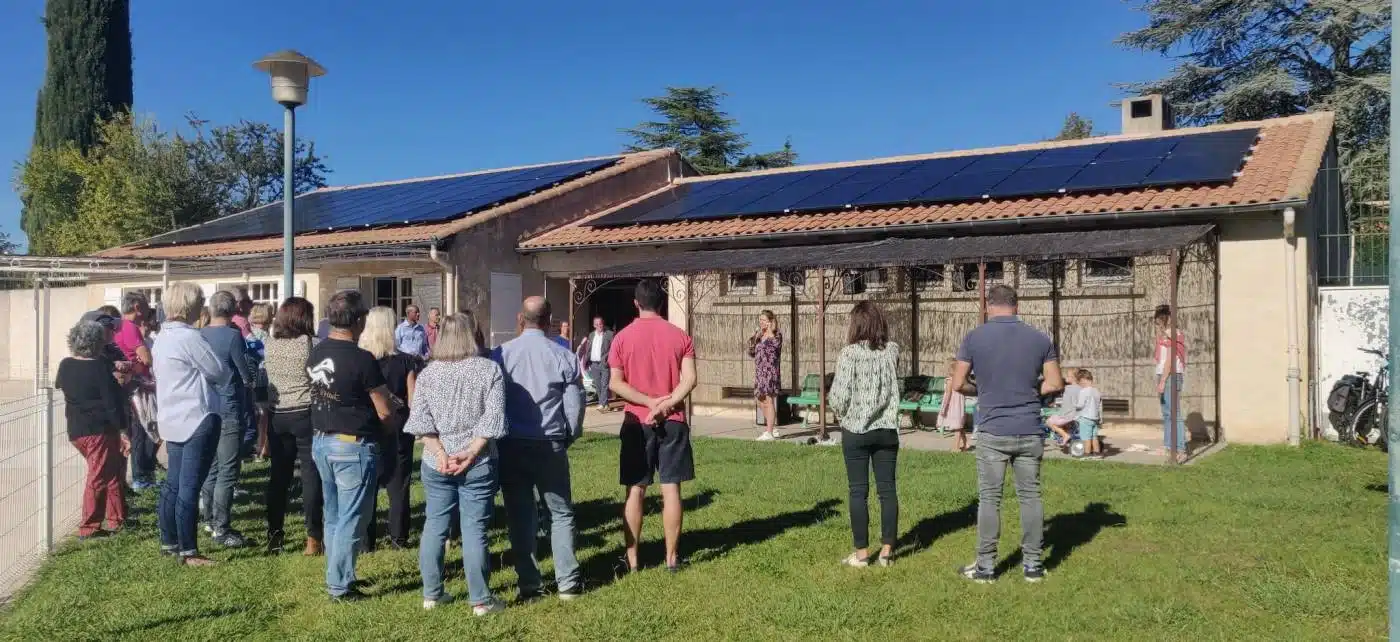
Following the adoption of Article 21 of the Finance Law via the 49.3 constitutional mechanism, the tax regime for collective projects was aligned with that of individual self-consumption for installations under 1 MW. This regulatory shift culminated on March 1, 2025, when Article 75 of the 2025 Finance Law established a zero-euro per megawatt-hour (0 €/MWh) excise tax rate.
The removal of this tax is a massive economic driver. Previously, projects were burdened by a tax of 3.37 centimes per kilowatt-hour. By eliminating this cost, the profitability of collective energy operations can increase by approximately 25%, depending on the specific configuration of the installation.
Economic and social goals of shared power
The transition toward collective energy consumption is driven by more than just tax breaks; it is a strategic move to decentralize power and stabilize costs. According to enogrid.
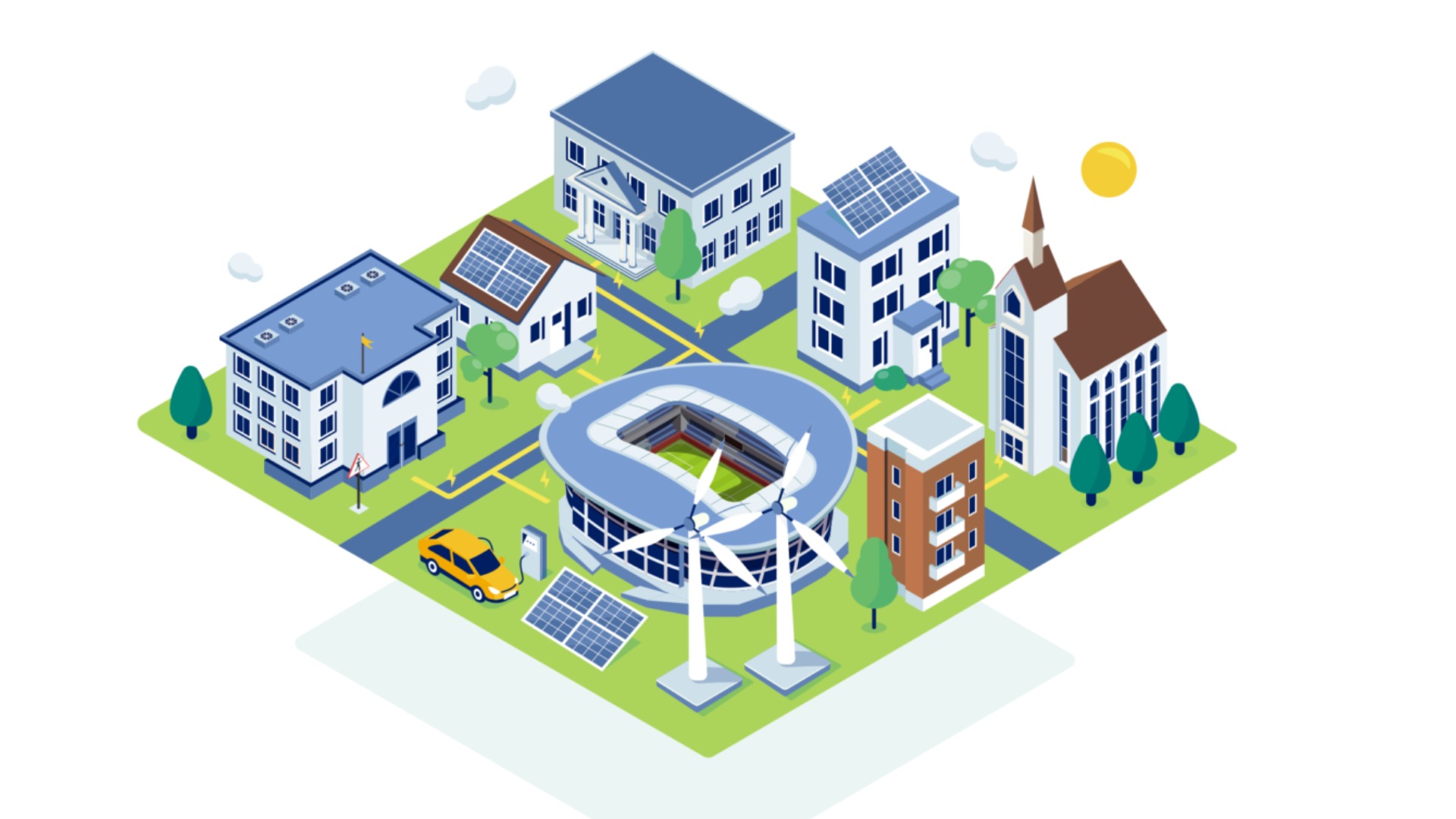
- The direct reduction of electricity bills for participants.
- The acceleration of the broader energy transition toward renewables.
- The enhancement of the land value and assets held by local communities.
To qualify for these fiscal advantages in the French market, projects must meet specific criteria defined under Article L.312-87 of the Code of Taxes on Goods and Services.
| Requirement | Specific Condition |
|---|---|
| Energy Source | Must be renewable (e.g., solar, wind, biomass, or hydro) |
| Capacity Limit | Installed power must be less than 1 MWc |
| Consumption Model | Energy must be used by the producer or a designated participant |
The emerging era of systemic autonomy
The convergence of these two trends—the biological mastery of aging and the infrastructural mastery of energy—points to a broader societal shift toward autonomy. Whether through the management of epigenetics or the adoption of localized, tax-advantaged energy grids, the modern individual is moving from a passive consumer to an active participant.
In both biology and energy, the stakes are clear. For the individual, the ability to influence aging through lifestyle offers a pathway to sustained vitality. For the community, the ability to control energy production through collective models offers protection against rising costs and grid dependency. As these regulatory and scientific frameworks continue to mature, the ability to self-direct one’s environment—both internal and external—will become a defining characteristic of modern living.