
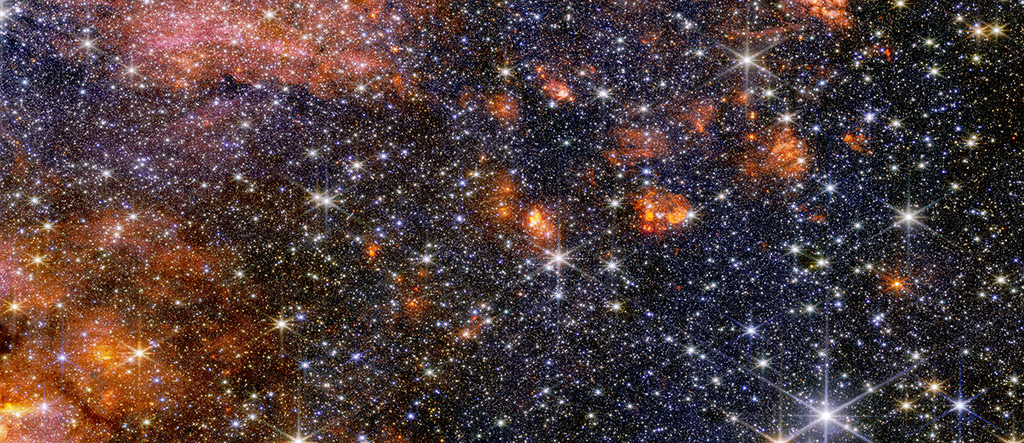
The TOI-700 system, located roughly 100 light-years away, has been the focus of extensive study in recent years. Its two habitable-zone planets, TOI-700 d and e, are close in size to Earth—1.145 and 0.919 times its radius, respectively—and their stable orbits suggest the possibility of moons. However, when researchers directed the JWST toward the system, they did not confirm the presence of a moon. Instead, they encountered an obstacle: the star’s activity, which introduced noise into the data, complicating the search for subtle signals.
The Moon That Might Be There—If We Could See It
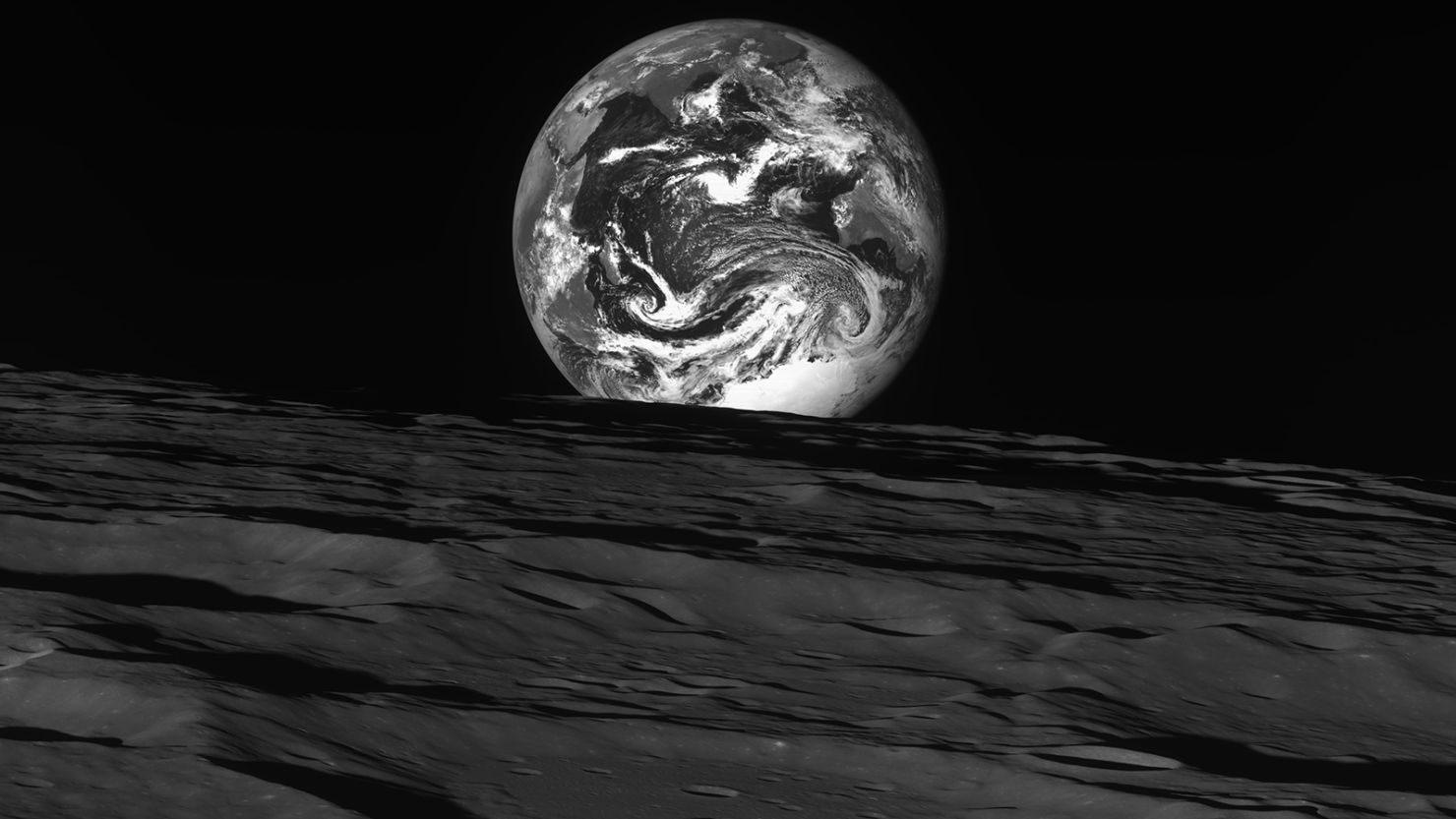
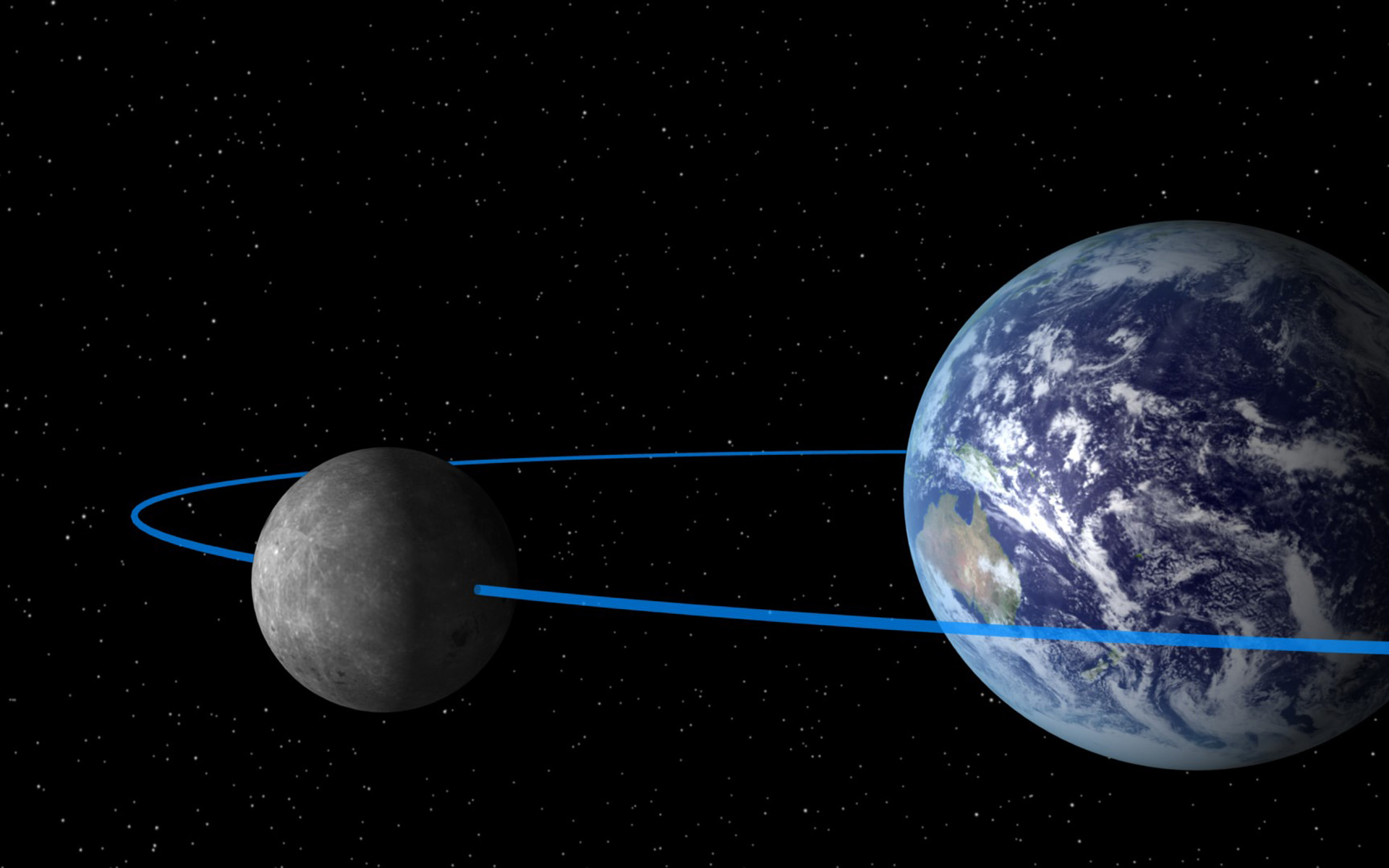
The effort to identify an Earth-moon analog in the TOI-700 system represents a key objective in exoplanet science. Earth’s Moon plays a role in stabilizing our planet’s axial tilt, which contributes to long-term climate stability. A similar moon orbiting TOI-700 d or e could suggest a world with consistent environmental conditions, a factor relevant to habitability. The JWST, capable of detecting brightness dips as small as 20 parts per million, was used to search for the transit of a moon passing in front of its host star—a dimming so subtle that most instruments would miss it.
However, the star’s behavior posed a challenge. A team of researchers, including scientists from MIT, Harvard, and the University of Chicago, found that stellar flares and variability introduced noise into the observations, masking potential signals. The JWST’s precision had improved orbital measurements and reduced uncertainties in planetary radii, but it was not sufficient to overcome the interference. The result was an inconclusive outcome: the moon’s signal, if it exists, remained buried beneath the star’s erratic activity.
This is not the first instance where stellar activity has complicated astronomical observations. M-dwarf stars like TOI-700 are known for their volatility, emitting flares that can overwhelm the faint signatures of planets and moons. The habitable zones around these stars are also closer in, exposing planets to higher levels of radiation and stellar outbursts. For TOI-700 d and e, this proximity may further constrain the conditions under which a stable moon could form and persist. Despite these challenges, the system’s gravitational dynamics still allow for the possibility of a moon, making it a compelling target for continued study.
Why the JWST’s Limits Are the Story
The difficulties encountered in observing the TOI-700 system highlight a broader reality in exoplanet science. The JWST was designed to expand the boundaries of what can be observed, from the atmospheres of distant worlds to the earliest light in the universe. Yet its effectiveness depends on the nature of its targets—and stars like TOI-700 present inherent complexities. The telescope’s precision in this case did not fail; rather, it underscored the limitations imposed by the unpredictable behavior of certain stars.
For astronomers, this outcome is both a challenge and an opportunity. The lack of a confirmed moon in TOI-700 does not mark the end of the search but signals the need for new approaches. Some researchers are developing methods to model and subtract stellar noise from the data, while others advocate for extended observation campaigns to capture the system during periods of reduced activity. Future telescopes may need to incorporate features such as real-time stellar monitoring or adaptive optics to better filter out interference.
The discovery of an Earth-moon analog would provide valuable insights into how common such systems might be. While it would not guarantee habitability or the presence of life, it would offer a critical reference point for understanding the conditions that contribute to long-term planetary stability. For now, the TOI-700 system serves as a reminder of the gap between what can be imagined and what can be observed with current technology.
The Stakes of a Signal Just Out of Reach
The potential discovery of an Earth-moon analog carries significant implications. Such a finding could suggest that the conditions that facilitated life on Earth may not be unique. It would also prompt new questions: Could a moon’s gravitational influence generate tidal heating, as seen with Jupiter’s moon Europa, potentially creating subsurface oceans? Might it protect a planet from stellar radiation, preserving an atmosphere over extended periods?
At present, these questions remain unanswered. The JWST’s observations of TOI-700 have provided a clearer understanding of the system’s planets, but the moon—if it exists—remains undetected. Its signature may already be present in the data, concealed beneath layers of stellar noise. Extracting it will require not only advanced instruments but also innovative techniques for isolating signals from the surrounding chaos. Until then, the search for another Earth-moon system will continue to demand patience, precision, and persistence.
The TOI-700 system is not the only target in this pursuit. Other nearby M-dwarf stars, such as TRAPPIST-1, host planets that could also harbor moons. However, TOI-700’s combination of Earth-sized worlds in the habitable zone and its relative proximity make it a particularly compelling case. If a moon is ever confirmed there, it would represent a significant milestone, reflecting the determination of astronomers to uncover signals that might otherwise remain hidden.
What to Watch in the TOI-700 System
The next phase of observations will likely focus on two key strategies: refining models of stellar activity to better filter out noise and extending the JWST’s campaign to observe the system during periods of relative calm. If the star’s flares follow a predictable pattern, astronomers may be able to time their observations to minimize interference. Additionally, combining JWST data with observations from other telescopes, such as the Hubble Space Telescope or ground-based observatories, could provide a more comprehensive understanding of the system’s behavior.
For now, the TOI-700 system exemplifies the broader challenges of exoplanet science. The technology to detect Earth-like moons exists, but the universe does not always cooperate. The star’s activity, the planets’ orbits, and the vast distances involved all contribute to the difficulty of the search. Yet the potential reward—a glimpse of a world that resembles our own in ways we are only beginning to grasp—continues to drive astronomers forward.
If there is a lesson in the JWST’s latest observations, it is this: the cosmos does not easily reveal its secrets. But for those who persist in sifting through the noise, the discoveries could reshape our understanding of life, habitability, and humanity’s place in the universe.