

The Finnish Geriatric Intervention Study to Prevent Cognitive Impairment and Disability (FINGER) demonstrated that multi-domain lifestyle interventions can improve cognitive function in older adults. By combining diet, exercise, and cognitive training, researchers identified measurable benefits in executive function, suggesting that integrated lifestyle changes may mitigate age-related cognitive decline.
The scientific community has long debated whether the brain can be trained to resist the natural processes of aging. While early commercial products promised rapid cognitive improvements through simple digital tasks, clinical research suggests that the benefits of cognitive training are most significant when integrated into a broader lifestyle framework. This distinction separates elective digital entertainment from structured, evidence-based interventions designed to bolster cognitive reserve.
The Distinction Between Cognitive Training and Digital Games
A significant gap exists between commercial “brain training” applications and clinical cognitive interventions. Many digital games marketed to seniors focus on specific tasks, such as pattern recognition or short-term memory drills. While these applications often succeed in making users better at the specific games themselves, they frequently fail to produce far transfer
—the ability to apply those improved skills to real-world activities like managing finances or following complex conversations.
Clinical studies indicate that for cognitive training to yield functional benefits, the tasks must be sufficiently challenging and contextually relevant. Researchers have observed that repetitive, low-complexity tasks do not stimulate the neural pathways necessary for long-term cognitive resilience. Instead, effective training requires novelty and increasing levels of difficulty to trigger neuroplasticity, the brain’s ability to reorganize itself by forming new neural connections.
The efficacy of these interventions depends heavily on the methodology. Unlike commercial software, clinical cognitive training is often part of a supervised program. These programs frequently utilize structured tasks that target executive function, which includes the ability to plan, focus attention, and juggle multiple tasks simultaneously. Improving these specific functions has shown more promise in maintaining independence among the elderly than improving isolated memory scores.
The FINGER Model and Multi-Domain Interventions
The FINGER study represents a shift in how geriatric health is approached, moving away from single-target interventions toward a multi-domain model. The study, conducted in Finland, targeted older adults at increased risk of cognitive decline. The intervention did not rely on cognitive exercises alone; rather, it combined four distinct pillars: nutritional guidance, physical exercise, cognitive training, and management of vascular risk factors.
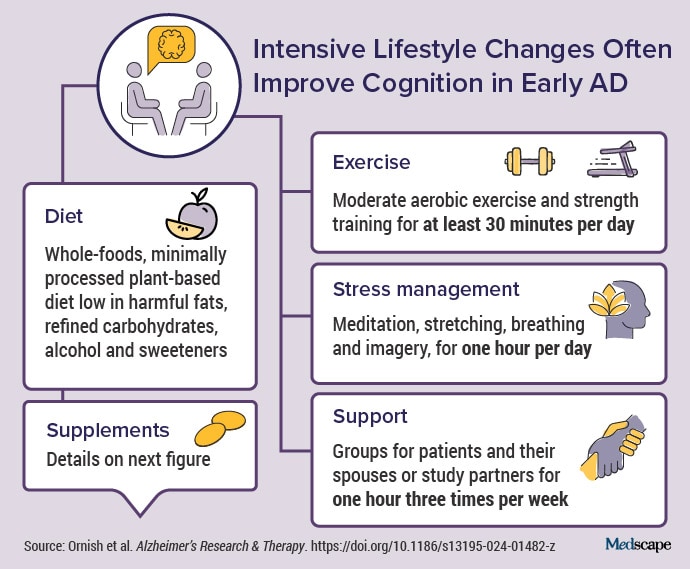
The results of the FINGER study indicated that participants in the multi-domain group performed better on cognitive tests than those in the control group. The benefits were particularly noted in executive function and processing speed. This suggests that cognitive training does not work in a vacuum. The physiological benefits of physical exercise, such as increased blood flow to the brain and the release of brain-derived neurotrophic factor (BDNF), may create a more receptive environment for cognitive training to take effect.
The FINGER study showed that a multi-domain intervention can improve cognitive performance in at-risk older adults, highlighting the importance of a holistic approach to brain health.
The FINGER Study Research Group
This holistic approach addresses the interconnected nature of metabolic, vascular, and neurological health. For example, managing blood pressure and blood sugar levels reduces the risk of small vessel disease in the brain, which can otherwise undermine the effectiveness of cognitive training. By addressing these physiological foundations, the cognitive components of the intervention can more effectively target neural plasticity.
Building Cognitive Reserve Through Neuroplasticity
A central concept in understanding the benefits of cognitive training is cognitive reserve. This theory, championed by researchers such as Yaakov Stern of Columbia University, suggests that individuals build a buffer against neurological damage through lifelong mental stimulation and education. This reserve does not necessarily prevent the underlying pathology of diseases like Alzheimer’s, but it allows the brain to function normally despite the presence of such damage by utilizing alternative neural pathways.

Cognitive training acts as a mechanism to build or maintain this reserve. When the brain is challenged by new and complex information, it strengthens existing synaptic connections and encourages the growth of new ones. This process is a manifestation of neuroplasticity. In older adults, this plasticity remains present, though it may operate at a different rate or require more intensive stimulation than in younger populations.
The “unexpected” benefits often cited in recent literature refer to how cognitive stimulation can indirectly support other aspects of health. For instance, engaging in complex cognitive tasks often requires social interaction, whether in a classroom setting or through group-based training programs. Social engagement is itself a known factor in reducing the risk of cognitive decline and depression in seniors, creating a secondary layer of protection for brain health.
Clinical Limitations and Future Directions
Despite the positive findings from studies like FINGER, clinicians urge caution regarding the claims made by the consumer wellness industry. There is no evidence that any single “brain training” product can prevent dementia. The benefits observed in clinical settings are the result of highly controlled, multi-faceted interventions, not isolated digital exercises.
Furthermore, the degree of benefit varies significantly among individuals. Factors such as baseline cognitive function, genetic predispositions, and existing vascular health influence how much an individual can gain from cognitive training. This variability means that a one-size-fits-all approach is ineffective. Future research is increasingly focusing on personalized cognitive interventions that tailor the difficulty and type of task to the specific neurological profile of the individual.
As the global population ages, the integration of cognitive training into standard geriatric care is likely to increase. However, the focus must remain on evidence-based, multi-domain strategies. The goal is not merely to improve scores on a computer-based test, but to preserve the functional capacities that allow older adults to maintain autonomy and quality of life.
Consult your healthcare provider before beginning any new exercise or cognitive training regimen.