
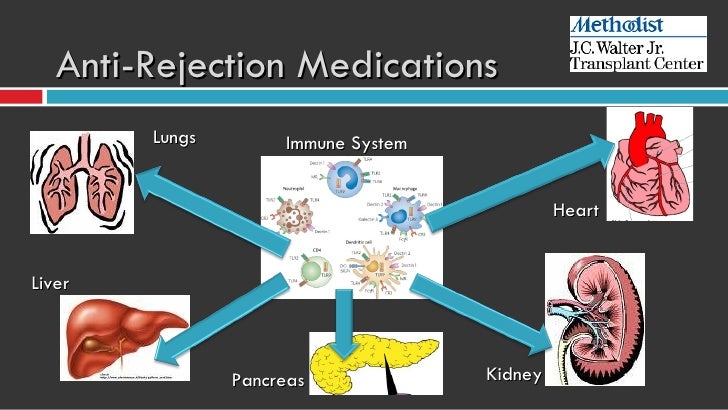
Three liver transplant recipients have stopped taking anti-rejection drugs after receiving infusions of immune cells from their living donors, according to a small clinical trial published in Nature Communications.
The phase I/IIa study, conducted by researchers at the University of Toronto and affiliated hospitals, involved extracting monocytes from donor white blood cells, cultivating them into regulatory dendritic cells in the lab, and infusing them into recipients shortly after transplantation. This approach aims to teach the recipient’s immune system to recognize the donated liver as self rather than threat, potentially eliminating the need for lifelong immunosuppression.
Immunosuppressive drugs, although effective at preventing organ rejection, carry substantial risks including increased susceptibility to infections, certain cancers, diabetes, and kidney damage. For decades, the field has pursued immune tolerance as a safer alternative — a state where the body accepts the transplant without constant pharmacological suppression.
Previous attempts focused on regulatory T cells, but this trial used regulatory dendritic cells, which are professional antigen-presenting cells capable of shaping immune responses. By conditioning these cells to express anti-inflammatory and tolerogenic profiles, researchers hypothesized they could steer the recipient’s immunity away from destructive alloreactive pathways that attack grafts.
The trial’s design included a controlled, early taper of conventional immunosuppressants in patients receiving the cell therapy. Remarkably, participants tolerated reduced drug exposure without a rise in acute rejection episodes, signaling that the dendritic cell infusion may be establishing donor-specific tolerance.
Safety was a primary endpoint, and the study reported no adverse events directly attributable to the cell product. This addresses a longstanding concern in cellular therapies: that introducing foreign immune cells could trigger unintended inflammation or graft injury.
Living-donor liver transplantation was chosen in part since the liver’s regenerative capacity allows both donor and recipient to recover functional mass from a partial graft. This makes it ideal for testing tolerance strategies, as the organ can adapt and grow alongside immune recalibration.
The study’s authors emphasize that What we have is early-stage research involving only three patients. Larger, longer-term trials will be needed to determine whether the effect is durable, whether it works across different organ types, and whether it can be scaled beyond specialized centers.
Still, the results represent a proof of concept that cellular immunomodulation can facilitate drug withdrawal in solid organ transplantation — a goal that has eluded researchers for decades despite numerous attempts with antibodies, costimulatory blockers, and other cell types.
If confirmed in broader studies, this approach could transform post-transplant care by reducing lifelong drug burdens, lowering complication rates, and improving quality of life for recipients who currently face a trade-off between preventing rejection and managing drug toxicity.
What are regulatory dendritic cells, and how do they differ from other immune cells used in transplant tolerance?
Regulatory dendritic cells are a specialized subset of dendritic cells that promote immune tolerance rather than activation. Unlike regulatory T cells, which suppress immune responses broadly, these cells are antigen-presenting and can directly influence how T cells perceive donor antigens, potentially inducing a more specific state of acceptance.
Why was the liver chosen for this trial instead of other organs like kidneys or hearts?
The liver was selected due to its unique regenerative properties and inherent immunological tolerance; living-donor liver transplantation allows both donor and recipient to regrow functional liver mass, and the organ’s microenvironment may be more conducive to inducing tolerance than other solid organs.