

The Sustainable Southeast Partnership has succeeded at developing economic solutions supporting Indigenous stewardship in Southeast Alaska’s Tongass rainforest, according to The Nature Conservancy. The partnership, which began 12 years ago, involves tribal governments, community groups, government agencies, and The Nature Conservancy to address historical conflicts over old-growth timber cutting.
Carbon Storage and the Tongass Ecosystem
The Tongass is the largest remaining coastal temperate rainforest on Earth. The Nature Conservancy describes the area as the “Lungs of North America” because of the massive amount of carbon it stores and the oxygen it produces.
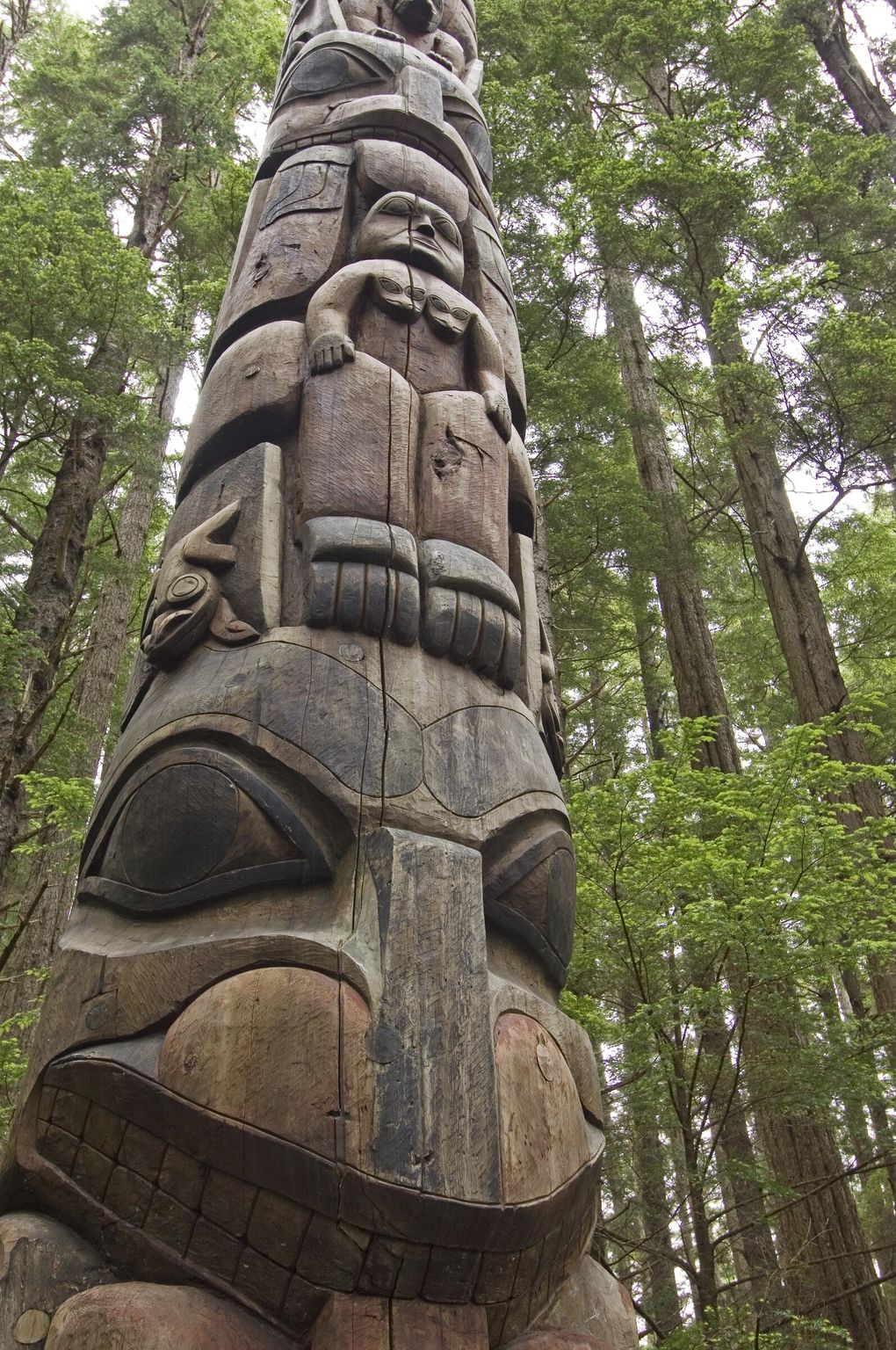
Temperate rainforests are among the most carbon-dense ecosystems on the planet. In the Tongass, this density is driven by the presence of massive coniferous trees and a moisture-rich environment that facilitates long-term sequestration. Carbon is stored not only within the biomass of the trees themselves but also within the complex layers of the forest floor and the surrounding soil. This sequestration plays a critical role in regulating the regional climate and contributing to global atmospheric stability. Beyond its role in carbon storage, the ecosystem provides essential services to the marine environment, as the nutrient-rich runoff from the forest supports the lifecycle of Pacific salmon, which in turn sustains various terrestrial and marine species.
Resolving Timber Disputes and Indigenous Exclusion
For generations, the Tongass was the site of tension regarding old-growth timber cutting. According to The Nature Conservancy, these conflicts resulted in the loss of ancient forests and feuds between loggers and conservationists. These disputes frequently excluded the voices of Indigenous peoples, such as the Tlingit, Haida, and Tsimshian.
The history of land management in Southeast Alaska has often been defined by a struggle between economic necessity and ecological preservation. For decades, the management of the Tongass National Forest focused heavily on timber extraction to support local economies and industry jobs. This approach frequently led to legal and social confrontations between those seeking to protect the biodiversity of the ancient forests and those reliant on the timber industry. Throughout these decades of conflict, the federal management frameworks often operated independently of the Indigenous nations whose ancestral lands encompass the forest. This exclusion meant that the traditional ecological knowledge and the inherent sovereignty of the Tlingit, Haida, and Tsimshian peoples were often overlooked in the decision-making processes regarding resource use and land conservation.
A 12-Year Experimental Partnership
Twelve years ago, tribal governments, community groups, government agencies, and The Nature Conservancy began an experimental partnership. The Sustainable Southeast Partnership uses trust-building to develop sustainable economic solutions. These solutions have succeeded in supporting Indigenous authority and stewardship, according to The Nature Conservancy.

This partnership operates through a model of collaborative governance, which seeks to move away from the adversarial litigation-based management common in previous decades. By bringing together diverse stakeholders—including tribal leaders, government agencies, and non-governmental organizations—the partnership creates a platform for shared decision-making. The goal is to facilitate a transition from an extractive economy, which relies on the removal of natural resources, to a stewardship economy. This new economic model focuses on sustainable activities that align with both ecological health and Indigenous values, such as ecotourism, sustainable fisheries, and the potential for carbon-based economic opportunities. By centering Indigenous authority, the partnership aims to ensure that the management of the Tongass reflects the long-term interests of the communities that have lived in relationship with the forest for millennia.
Find more reporting in our Science section.