
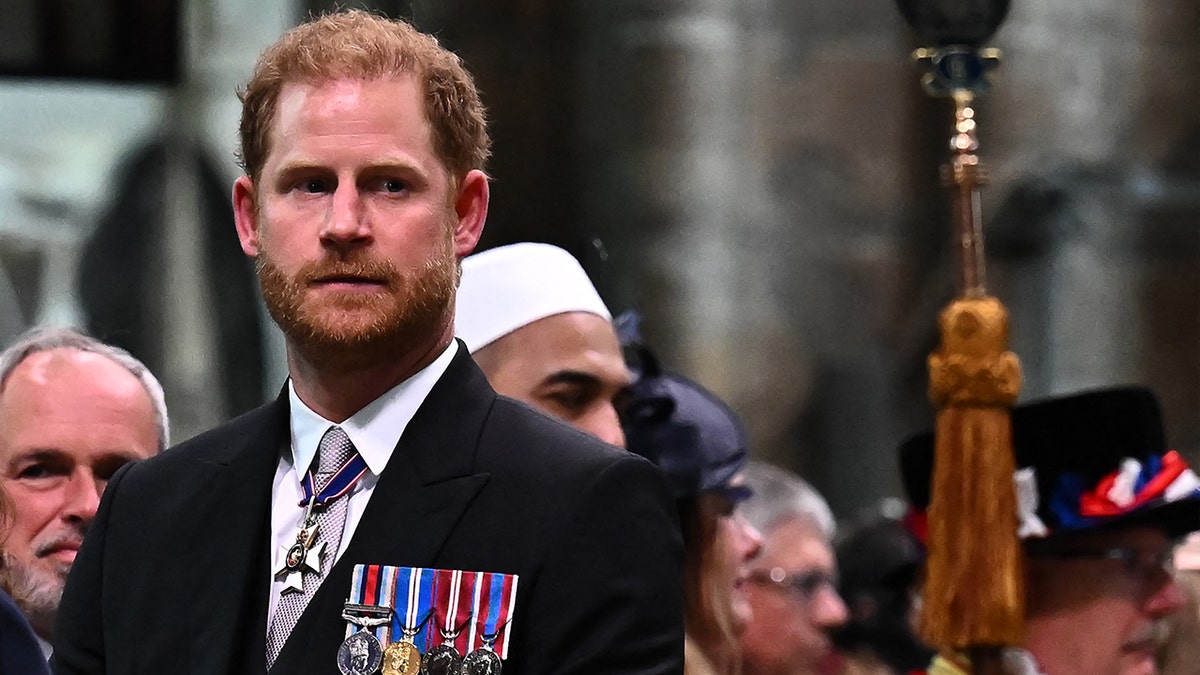
Buckingham Palace released the schedule for King Charles’s state visit to the U.S., marking a significant diplomatic engagement. The agenda includes a White House reception, a joint address to Congress, and military reviews, all designed to highlight the bilateral relationship. Prince Harry, however, is not listed among the attendees.
Harry, 41, has resided outside the U.K. since he and Meghan stepped back from senior royal duties in 2020. His recent travels to Ukraine and Australia, along with Meghan’s public engagements, have kept him in the spotlight, though not in an official capacity. As his father meets with President Donald Trump and Queen Camilla attends a state dinner, Harry remains in California, with no planned reunion or private meeting.
The Diplomatic Mission vs. the Personal Rift
State visits are structured to advance diplomatic goals, and Charles’s trip to the U.S. follows this tradition. Buckingham Palace has described it as a celebration of the historic connections and the modern bilateral relationship
between the two nations, timed to coincide with the 250th anniversary of American independence. The Foreign Office has shaped the visit’s framework, ensuring each event—from the White House reception to the King’s address to Congress—serves a strategic purpose. This is not a personal trip but an institutional one.
Yet the monarchy’s dual role as both a family and an institution complicates even the most carefully planned diplomacy. Harry’s absence highlights this tension. His recent public appearances, including a visit to Ukraine where he discussed global affairs, have positioned him as an independent voice. While the monarchy traditionally maintains a neutral stance, his interventions introduce a layer of complexity to its public image.
John McDermott, co-founder of Caloroga Shark Media and producer of royal-themed podcasts, noted that if Charles were to meet with Harry during the visit, it could shift attention away from the trip’s diplomatic objectives. The focus, he explained, is meant to remain on Charles and Camilla, and any interaction with Harry could become the dominant narrative.
The 2020 decision by Harry and Meghan to step back from senior royal roles marked a shift in how the monarchy manages its public presence. Where the Crown once presented a unified front, it now contends with competing narratives—one tied to its diplomatic role, the other to Harry’s independent activities. The U.S. state visit tests the monarchy’s ability to balance these dynamics without allowing personal matters to overshadow its mission.
PR Calculus: Why Harry’s Presence Would ‘Overshadow’ the Trip
The monarchy’s approach to public relations has long emphasized control. State visits are meticulously planned, with each detail designed to reinforce the Crown’s role as a symbol of stability. Harry’s presence could disrupt this carefully constructed narrative. His recent trips to Australia and Ukraine, while framed as humanitarian efforts, have also served as platforms for his personal brand, which some observers argue diverges from the monarchy’s institutional messaging.
The contrast between Charles’s visit and Harry’s recent engagements is evident. The King’s itinerary is a study in diplomatic precision: a White House reception, a joint address to Congress, and a military review, all coordinated through official channels. Harry’s tours, by comparison, lack the same institutional backing. His visits to Nigeria, Colombia, and Ukraine have featured private invitations and cultural events that resemble royal tours but do not serve an official diplomatic function. Some analysts have suggested these engagements prioritize personal visibility over institutional representation.
For the monarchy, the stakes are significant. The U.K.-U.S. relationship has faced challenges, and Charles’s visit offers an opportunity to reset the narrative. A reunion with Harry, even a brief one, could shift focus from diplomacy to family dynamics. McDermott’s assessment highlights the risk of competing narratives, which could undermine the monarchy’s carefully managed image. The decision to exclude Harry is not just about avoiding distraction but about preserving the Crown’s legitimacy at a time when its role is under scrutiny.
This strategy extends beyond Harry. Even Prince William and Princess Kate, who remain senior working royals, have maintained a low profile during the visit. Their public engagements in the U.K. have been subdued, ensuring the spotlight remains on Charles and Camilla. The monarchy’s ability to manage its narrative depends on prioritizing institutional objectives over individual personalities.
The Monarchy’s Playbook for Managing Competing Narratives
The British monarchy has historically adhered to the principle of discretion, but in an era of intense media scrutiny, its approach has evolved. Today, the Crown’s strategy focuses on controlling the narrative, optics, and messaging. Charles’s state visit to the U.S. exemplifies this approach.
Every aspect of the trip has been designed to reinforce the monarchy’s diplomatic role. The King’s address to Congress, the military review, and the engagements marking the 250th anniversary of American independence all serve to project British influence. The absence of Harry is consistent with this strategy, signaling that the visit is about the institution rather than individual members. It reaffirms the Crown’s authority at a time when its relevance is being questioned.

The timing of Harry’s recent activities has added to the complexity. His visit to Ukraine, where he commented on U.S. foreign policy and called for a shift in approach from Vladimir Putin, occurred just days before Charles’s state visit. For a monarchy that traditionally maintains neutrality, such interventions present challenges. Some analysts have argued that his actions risk overshadowing serious diplomacy, a concern the Crown cannot afford during a high-profile diplomatic mission.
Yet the monarchy’s ability to manage these competing narratives carries risks. Excluding Harry may protect the Crown’s image in the short term, but it also highlights the fragility of its public standing. The royal rift is no longer just a family matter—it has become a strategic issue. How the monarchy addresses this challenge will shape its future, both domestically and internationally.
What the Absence Reveals About Royal Protocol and Family Dynamics
Royal protocol has always balanced tradition with pragmatism. State visits adhere to unwritten rules that prioritize the institution over individual interests. Charles’s decision to exclude Harry from the U.S. itinerary reflects this hierarchy. The monarchy’s survival depends on its ability to adapt, and in this case, that means setting aside a family member whose presence could complicate diplomatic objectives.
But the absence also offers insight into the monarchy’s internal dynamics. The divide between Charles and Harry is not merely personal—it reflects differing visions of royal duty. Charles embodies the Crown’s traditional role as a symbol of continuity, while Harry represents a more individualistic approach. The monarchy’s decision to exclude him from the state visit signals its commitment to upholding its institutional role.
This choice is not without consequences. While it may protect the Crown’s image in the short term, it could also deepen the family rift. The monarchy’s ability to manage its public narrative depends on balancing diplomatic, personal, and institutional interests. The U.S. state visit tests this balance. If the monarchy can navigate the trip without allowing personal dynamics to overshadow its mission, it may emerge stronger. If not, the challenges to its public image may grow.
The stakes are high, and global attention is focused on the outcome. For now, the monarchy’s strategy is clear: control the narrative, prioritize the institution, and keep diplomacy at the forefront. Whether this approach will succeed in the long term remains uncertain.