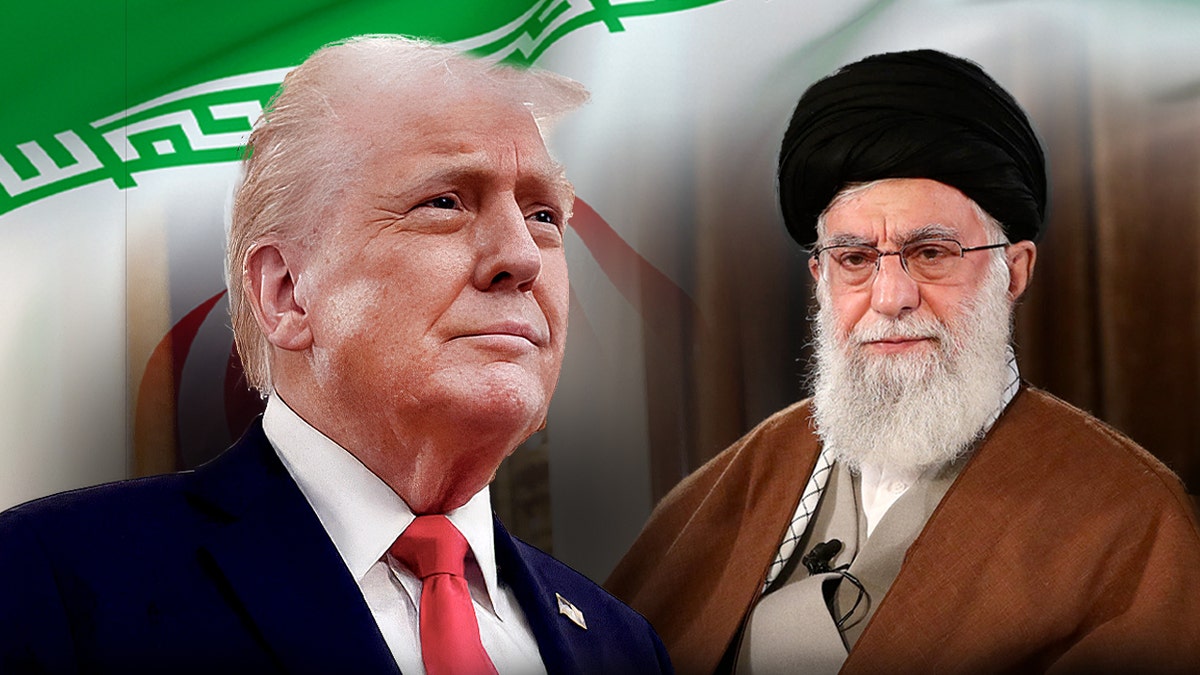
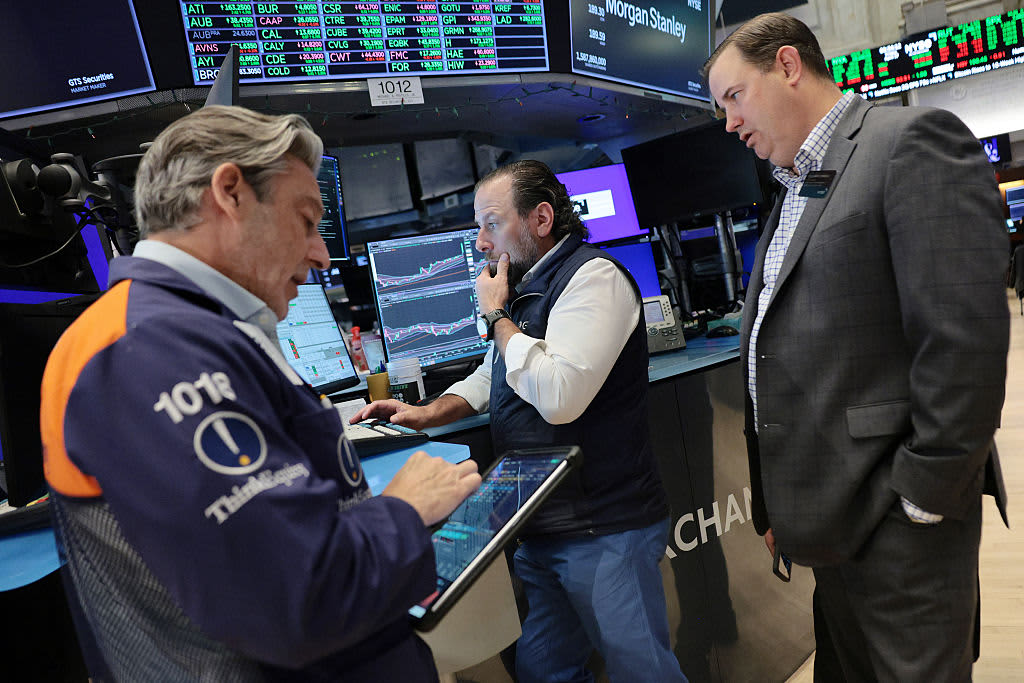
President Donald Trump cancelled scheduled strikes against Iran on Thursday, June 11, 2026, after announcing that high-level discussions with Iranian leadership had been approved. The sudden reversal triggered a rally in US stocks and a sharp decline in oil prices as markets anticipate a potential peace settlement and the reopening of the Strait of Hormuz.
Wall Street and Oil Markets React to Peace Signals
US stock markets climbed on Thursday as investors reacted to the possibility of a diplomatic resolution to the conflict in the Persian Gulf. According to 1news.co.nz, the S&P 500 jumped 1.3% following the announcement, while the Dow Jones Industrial Average rose 802 points, or 1.6%, by mid-afternoon Eastern time. The Nasdaq composite also saw gains, increasing 1.8%. The prospect of a deal to end the war has provided immediate relief to energy markets. Hopes that the global flow of oil can resume through the Strait of Hormuz sent benchmark prices lower:- US crude fell 2.8% to US$87.56 per barrel.
- Brent crude, the international standard, fell 3.5% to US$89.84 per barrel.
The Rapid Shift from Military Threats to Diplomacy
The market rally follows a period of extreme volatility driven by the US administration’s shifting rhetoric. Earlier on Thursday, President Trump used social media to threaten a major escalation, vowing to hit Iran “very hard” and promising to take control of the country’s energy infrastructure. As BBC reported, Trump stated in a post on Truth Social that the US would be “taking Kharg Island,” a major oil terminal off the Iranian coast, in the “not too distant future.” He further claimed the US would “assume total control of their oil and gas markets,” drawing a comparison to previous actions in Venezuela. However, the administration pivoted sharply within hours. Trump later announced that the scheduled military operations had been called off because discussions with Iranian leadership had reached an approval stage.“I have cancelled the scheduled strikes and bombings against Iran tonight.

Disputed Approval: Tehran Rejects Settlement Claims
Broader Economic Drivers: AI Stocks and Inflationary Pressures
The geopolitical volatility in the Middle East is occurring alongside significant shifts in the technology sector. While the Iran situation heavily influenced oil, some analysts noted that artificial intelligence stocks have been the primary driver of recent US market swings. The AI sector has experienced extreme fluctuations, with companies moving from record highs to sudden declines. For example, Marvell Technology climbed 6.3% on Thursday, attempting to recover from a period of intense volatility that included a 16.7% plunge and a 32.5% single-day surge. These market movements come as global central banks grapple with inflation driven by high energy costs. The European Central Bank recently became the first major central bank to raise interest rates in response to rising wholesale prices. High interest rates present a dual challenge: while they aim to curb inflation, they can also suppress investment in expensive sectors like artificial intelligence and slow overall economic growth.Find more reporting in our News section.