
The 2026 Case Surge and Regional Distribution
The current spike in diphtheria infections represents a significant deviation from recent regional trends. According to a PAHO report, 163 confirmed cases were recorded during the first 21 weeks of 2026. This figure is more than double the total cases reported in 2025 and sits well above the average seen in previous years.
The geographic distribution of the outbreak is heavily concentrated. Haiti reported 159 of the 163 cases and all five recorded deaths. Brazil and Peru each reported two confirmed cases.
This volatility follows a period of relative stability.
“Between 2020 and 2024, in the Region of the Americas, an annual average of 61 confirmed cases of diphtheria were reported in 10 countries, with a range that fluctuated between 18 and 87 cases per year”
Olivia Horna Campos, academic at the School of Public Health, via uChile
Vaccination Gaps and the DTP3 Decline
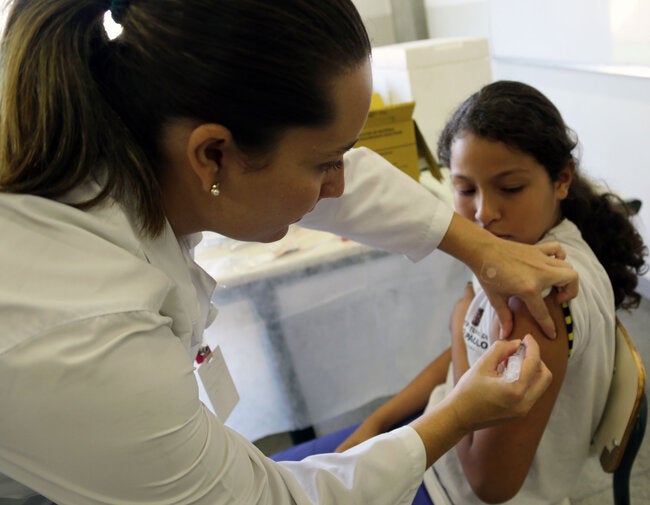
The resurgence of the bacteria is tied directly to eroding immunity levels. Data from the PAHO epidemiological alert shows that regional coverage for the third dose of the diphtheria, tetanus, and pertussis vaccine (DTP3) fell from 88% in 2023 to 87% in 2024. This decline occurred after three years of recovery and remains significantly below the 95% threshold recommended for community protection.
The impact of these gaps is evident in the patient profiles of the 2026 outbreak. More than half of the confirmed cases occurred in individuals who were either unvaccinated or whose vaccination status was unknown. Some countries in the region continue to report coverage rates below 80%, while others struggle with high dropout rates between the first and third doses.
The lack of immunization creates pockets of susceptibility that allow a globally circulating bacteria to regain a foothold in the Americas.
Clinical Severity and Respiratory Risks
Diphtheria is an acute, highly contagious infection caused by the bacterium Corynebacterium diphtheriae. It spreads through respiratory droplets, saliva, or direct contact with skin lesions. While cutaneous forms exist, the respiratory presentation is the primary concern for health officials.
As detailed by uChile, the respiratory form can cause airway obstruction and systemic complications driven by the diphtheria toxin, including polyneuropathy, myocarditis, and renal failure.
“Even with treatment, one in 10 patients with respiratory diphtheria dies”
Olivia Horna Campos, academic at the School of Public Health
Medical intervention is time-sensitive. Once appropriate antibiotic treatment begins, the ability to transmit the disease drops significantly. Generally, a patient stops being contagious after 48 hours of treatment.
Chile’s Vulnerability in Northern Border Regions

While the current outbreak is centered in the Caribbean, health experts are flagging specific vulnerabilities within Chile. National data from 2024 showed a third-dose hexavalent vaccine coverage of 96% and a booster rate of 91%. However, these figures mask regional disparities.
The regions of Antofagasta, Tarapacá, and Arica y Parinacota have reported booster coverage levels that fall below the national average. Because these northern regions serve as critical points for international transit and entry, they are viewed as high-risk zones for the reintroduction of the disease.
Health officials emphasize that the accumulation of susceptible individuals—particularly those with incomplete or unknown immunization schedules—increases the risk of propagation in these transit hubs.
PAHO’s Strategy for Regional Containment
To halt the spread, PAHO is calling for a shift toward microplanning to identify and reach populations missed by routine services. The organization recommends that health providers use every patient contact as an opportunity to verify vaccination status and complete missing doses.
The containment strategy relies on three primary pillars:
“it is urgent to increase coverage of both the primary series (3 doses) and the recommended boosters (3 doses) in children, adolescents and adults”
Pan American Health Organization
The current crisis underscores a fragile recovery in regional immunization. With the 2026 case count already surpassing 2025 totals by early June, the window to prevent wider community transmission depends on the rapid deployment of catch-up vaccination campaigns.
Consult your healthcare provider to verify your vaccination status and ensure you are up to date with recommended boosters.
Find more reporting in our Health section.