The Political Arc of Tofail Ahmed
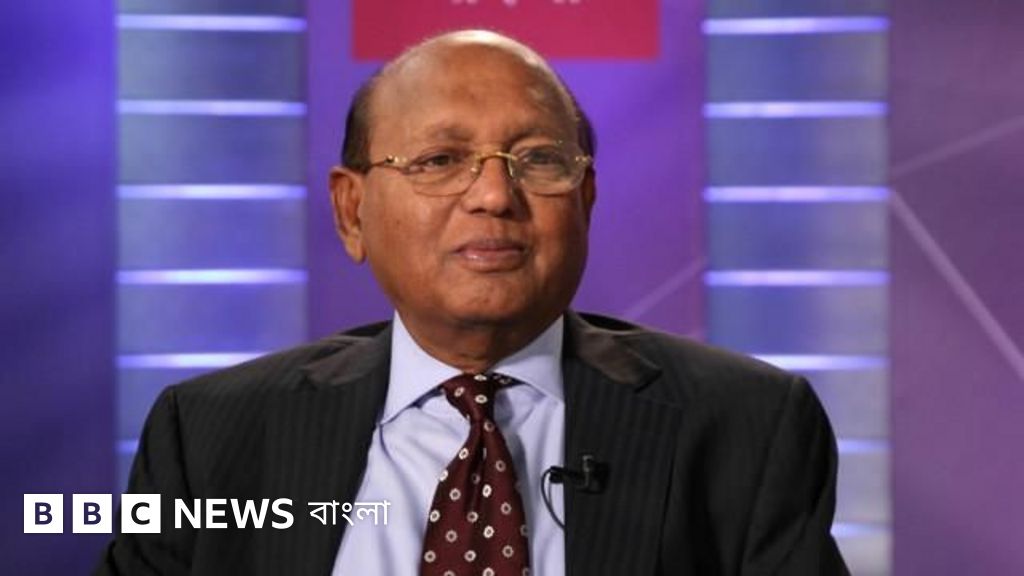
Tofail Ahmed was not merely a politician; he was a living archive of Bangladesh’s struggle for sovereignty. From his beginnings as a student leader during the 1969 mass uprising against the military rule of Ayub Khan to his role as a key organizer of the Liberation War, Ahmed occupied the inner circle of the nation’s founding power. He served as the political secretary to Bangabandhu Sheikh Mujibur Rahman, a role that cemented his influence in the early years of the republic.
His electoral dominance was staggering. Ahmed was elected to parliament nine times under the boat symbol, most recently securing the Bhola-1 seat in the January 7, 2024, election. However, the trajectory of his final years suggests a complicated relationship with the party’s top brass. As BBC reported, Ahmed found himself marginalized within the Awami League during the latter part of his career due to internal conflicts with party president Sheikh Hasina.
Despite this friction, his death marks the loss of a figure who bridged the gap between the revolutionary fervor of the 1960s and the institutional politics of the 21st century. He died in a Dhaka hospital following prolonged age-related health complications.
Defiance and Arrests Under the Yunus Administration
The atmosphere surrounding Ahmed’s final rites was charged with the tension of a country in transition. Following the fall of the Sheikh Hasina government on August 5, 2024, and the subsequent installation of the interim government led by Chief Adviser Muhammad Yunus, the Awami League and its affiliate organizations were banned and labeled fascist.
In this climate of prohibition, the funeral of a veteran leader became a rare opportunity for the banned party to signal its continued existence. According to Sangbad Pratidin, supporters gathered to chant Jai Bangla, the historic slogan of the liberation struggle. This act of public defiance did not go unanswered; police intervened, leading to the arrest of several individuals present at the gathering.
For the Awami League, these arrests are not merely legal actions but political suppression. Party representatives claimed that the government had become terrified upon seeing the massive crowds that turned out to pay their respects to Ahmed.
The Battle for the Bhola School Field
The tension peaked on Tuesday, June 2, when the funeral proceedings moved to Ahmed’s home district of Bhola. The chosen venue, the Bhola Government High School field, became a site of immediate conflict.
Activists from the Chatra Dal and Jubo Dal—student and youth wings affiliated with the BNP—staged a protest march at approximately 12:00 PM, demanding that the funeral not be held on the school grounds. The protest lasted roughly half an hour and created a volatile environment.
The opposition’s anger was rooted in a specific historical grievance. As The Daily Cosmic Post detailed, protesters alleged that in 2022, the party was denied the use of the same field for the funeral of District Chatra Dal President Nure Alam. This “tit-for-tat” approach to funeral venues highlights how deeply political animosity has permeated even the most basic rites of mourning.
The situation was eventually stabilized through the mediation of senior BNP leaders, including District BNP Member Secretary Raisul Alam, who convinced the protesters to withdraw.
Reactions and the Stakes of Mourning
From her current position in India, Sheikh Hasina issued a formal mourning statement, framing Ahmed’s death as a national loss.
Tofail Ahmed’s death is a loss of a bright political personality for Bangladesh, and the Bangladesh Awami League has lost a tested, sacrificing, and visionary political leader. From his student life, he made outstanding contributions to the Bengali right-to-self-determination movement, the Great Liberation War, and the struggle to establish an independent Bangladesh.
Sheikh Hasina, via The Wall
The events in Bhola and Dhaka reveal a precarious political equilibrium. For the interim government, the “Jai Bangla” slogans are seen as a challenge to the current legal ban on the Awami League. For the banned party, the funeral of Tofail Ahmed served as a litmus test for their ability to mobilize supporters in the face of state pressure.
The contrast between the two funerals—the first in Dhaka and the second in Bhola—illustrates the geography of the current conflict. While the Dhaka events were marked by state security interventions, the Bhola events were characterized by grassroots rivalry between the BNP and AL factions.
As the dust settles in Bhola, the broader implication remains: the death of a veteran leader has not provided a moment of national unity, but has instead exposed the raw, unresolved fractures of Bangladesh’s current political landscape.