
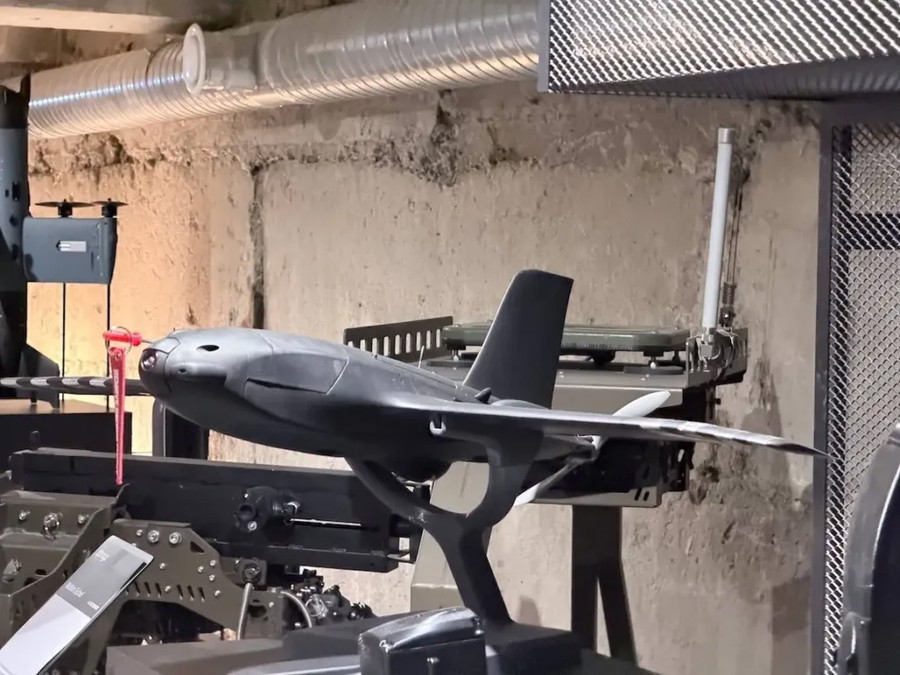
Ukrainian startup MaXon Systems has deployed an autonomous drone interceptor capable of neutralizing Iranian Shahed drones with 95% automation. According to kikar.co.il, the system integrates with national radar networks to identify and strike targets, slashing the cost of aerial defense compared to traditional missile systems.
MaXon’s $3,500 Interceptor and the Shift to Autonomous Defense
The deployment of the MaXon Systems interceptor marks a shift toward low-cost, high-volume aerial defense. Developed starting in early 2025, the system moved from prototype to operational deployment in roughly one year. Each unit costs approximately $3,500, a fraction of the price of conventional surface-to-air missiles.
The system operates via a high degree of automation, handling 95% of the interception process—from initial target identification to the final strike—without human guidance. Human operators are primarily required only to authorize the launch, though they retain the ability to intervene or cancel the mission at any stage.
Technically, the interceptors reach speeds of up to 300 km/h and are designed to function across various weather conditions. They utilize AI-based algorithms for the final approach, allowing the drone to lock onto and destroy the attacking Shahed drone autonomously.
“However, the high level of autonomy of the new system – which allows one operator to manage several interceptors simultaneously – may signal the next generation of aerial warfare.”
MaXon Systems development report, via kikar.co.il
Scaling Defense Against a 35% Monthly Surge in Shahed Launches
The urgency behind this development stems from a sharp increase in Iranian drone activity. Mykhailo Fedorov, Ukraine’s Minister of Digital Transformation, reported that the number of Shahed drones launched toward Ukraine is increasing by roughly 35% every month.
To counter this volume, Ukraine is diversifying its arsenal with a range of interceptors priced between $1,000 and $4,000. This “quantitative” approach to defense aims to ensure that the cost of interception remains significantly lower than the cost of the target. This strategy is already showing results; reporting indicates that the interception rate using drone-based systems has doubled over the last four months.
Initial operational tests were conducted in the Kyiv and Chernihiv regions before the systems were expanded to cover Kharkiv.
Iran’s Strategic Pivot Toward the Gulf States
While Ukraine adapts its defenses, the source of the threat—Iran—is shifting its broader geopolitical strategy. According to analysis by the Institute for National Security Studies (INSS), Tehran has moved away from the focus on Israel seen during the “12-day war” to a more expansive “regional war” strategy.
The current objective is to pressure the United States and its allies by targeting the “soft underbelly” of the region: energy markets and vulnerable Middle Eastern states. By threatening the Strait of Hormuz and targeting shipping and energy infrastructure, Iran seeks to drive up global energy prices and exert political pressure on the U.S. during a mid-term election year.
As of March 11, Iran has launched approximately 4,000 missile and drone attacks.
| Target Country | Percentage of Attacks |
|---|---|
| United Arab Emirates | 44% |
| Kuwait | 24% |
| Israel | 14% |
| Bahrain | 9% |
| Saudi Arabia | 4.5% |
| Qatar | 3.6% |
| Oman | 0.5% |
Targeting the UAE and the Cost of Normalization
The disproportionate focus on the United Arab Emirates (44% of attacks) is a calculated move. The INSS reports that Iran views the UAE as an antithesis to its own regime—a prosperous, moderate Islamic state and a primary driver of the Abraham Accords. By striking ports, airports, shopping centers, and data centers, Tehran aims to undermine the UAE’s reputation as a safe global hub for finance and tourism.
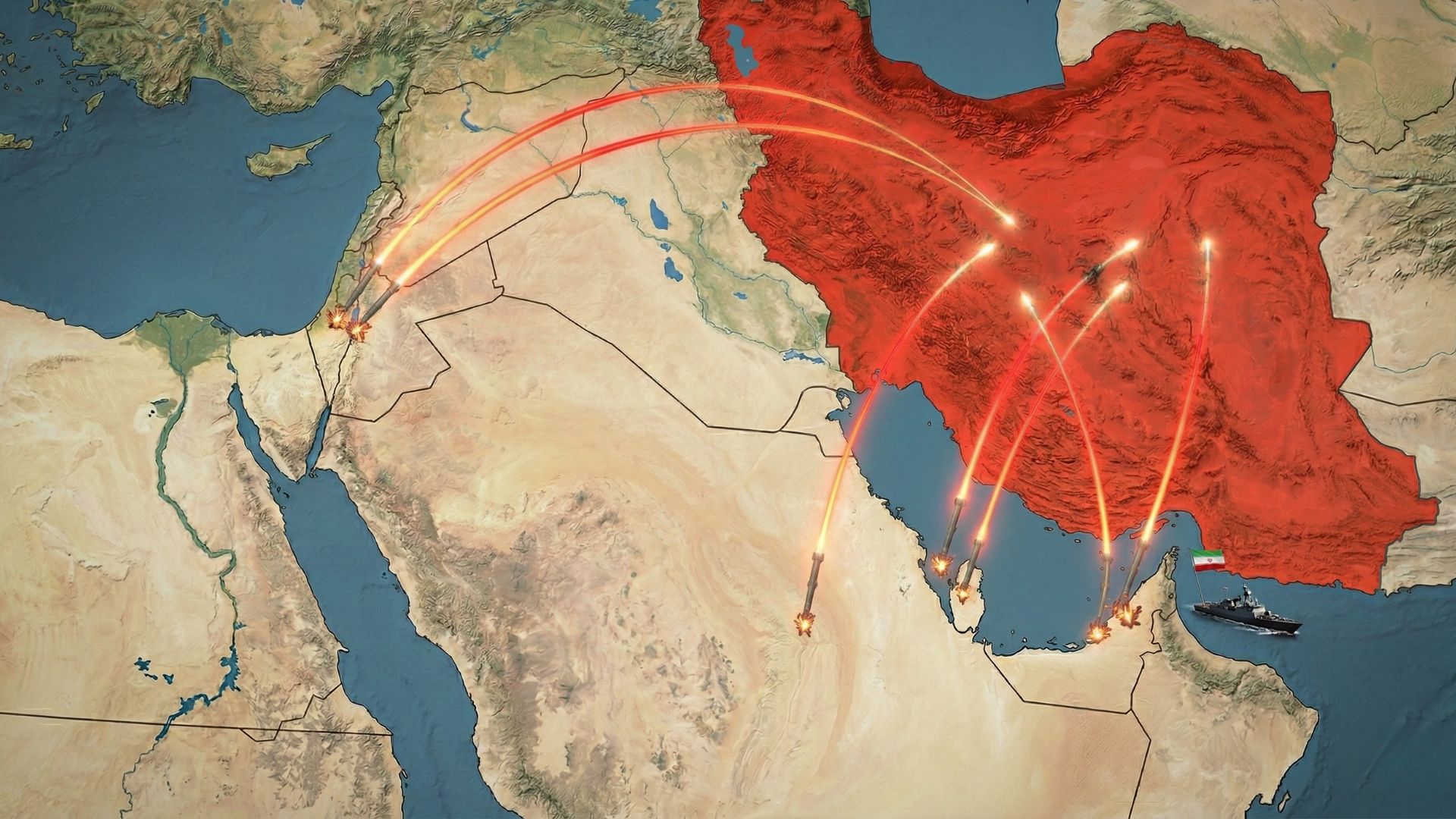
This strategy is designed to demonstrate the “price” of normalization with Israel and to deter Gulf neighbors from hosting U.S. military bases.
“The regime, for its part, strives to survive (‘steadfastness’) and to impose high prices on its enemies – to end the war on its terms, to deter them from further aggression, and to deter its neighbors in the Gulf from hosting US bases in the future.”
INSS Analysis
However, this expansion of the conflict may be backfiring. The targeting of non-involved nations and civilian infrastructure has increased Iran’s international isolation and strengthened the motivation of regional partners to coordinate against Tehran.
The convergence of these two trends—the rapid democratization of autonomous interception in Ukraine and the widening of Iran’s regional target list—suggests a new era of attrition. As Iran attempts to use drones as a tool of regional coercion, the emergence of $3,500 autonomous killers threatens to neutralize the cost-advantage that once made the Shahed drone a strategic asset.
Find more reporting in our Technology section.