

Sweden’s World Cup debut against Tunisia ended in a 5–1 victory, with Alexander Isak playing a pivotal role in Sweden’s attack—scoring a goal, delivering two assists, and dominating the match despite returning from a broken leg just months earlier. Isak’s decision to play all 90 minutes, against the advice of some in the Swedish camp, set the tone for a performance that left both teammates and opponents in awe, with the forward declaring his intent to continue at that level.
The Match That Proved Isak’s Return
Alexander Isak’s impact on Sweden’s 5–1 win over Tunisia in their World Cup opener was immediate and undeniable. The Liverpool striker, who had only recently returned from a broken leg sustained in December 2025, was involved in every goal Sweden scored. He scored the second goal himself, assisted Yasin Ayari’s opener, and set up Mattias Svanberg’s decisive fourth. According to news.google.com, Isak’s physicality and tactical intelligence were on full display, with the forward repeatedly breaking through the Tunisian defense and creating space for his teammates.
Isak’s decision to play the full 90 minutes was not just a personal statement—it was a strategic one. As Fotbollskanalen reported, Isak made it clear during halftime that he wanted to continue, and coach Graham Potter ultimately deferred to his player’s judgment. “I said I wanted to play on,” Isak explained. “I was tired, but when I got the ball, I woke up.” Potter’s decision to keep Isak on the pitch reflected both the forward’s resilience and the confidence the Swedish coaching staff had in his ability to deliver under pressure.
Isak’s performance was a stark contrast to his recent club form, where he had struggled to replicate his earlier brilliance at Newcastle and Liverpool. Yet in the World Cup, he and teammate Viktor Gyökeres—who also played a key role in Sweden’s attack—formed a dynamic partnership that left little room for the Tunisian defense. Their chemistry, honed in years of playing together in Sweden’s youth system and at AIK, was evident as they combined to dominate possession and dictate the tempo of the game.
Why Isak’s Decision to Play Full Time Matters
Isak’s insistence on playing the full match was more than just a personal challenge—it sent a clear message to the Swedish squad and the opposition. By refusing to be substituted, he demonstrated both his fitness and his commitment to the team’s success. According to Fotbollskanalen, Potter acknowledged that Isak’s desire to stay on the pitch was a factor in the decision, even though the forward admitted to fatigue in the final stages of the match.
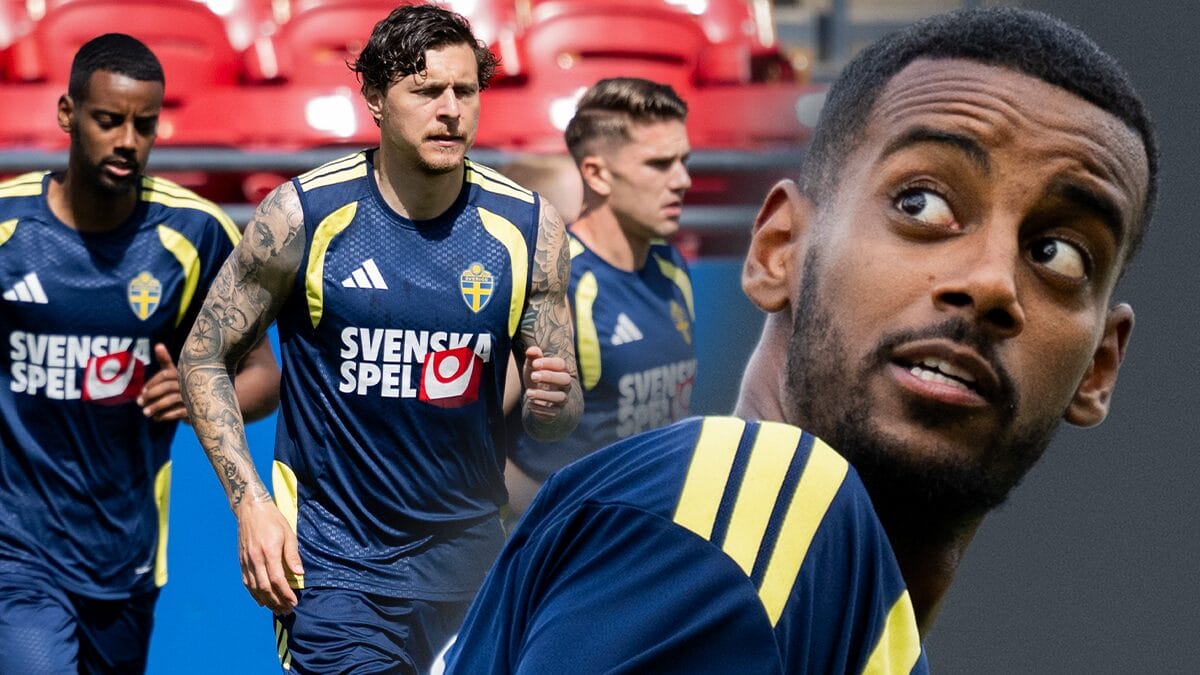
The tactical implications of Isak’s performance are significant. Sweden’s attack, already bolstered by the presence of Gyökeres and Isak, now has two players capable of carrying the offensive load for extended periods. This is particularly important given the physical demands of World Cup football, where endurance and tactical discipline are just as crucial as individual brilliance. Isak’s ability to contribute across multiple facets of the game—scoring, assisting, and pressing—adds a layer of unpredictability that will make Sweden a formidable opponent in the group stage.
Isak’s partnership with Gyökeres, who also played a key role in the victory, is a major asset for Sweden. The two forwards have a history together, having played alongside each other in Sweden’s youth teams and at AIK. Their understanding of each other’s movements and strengths allows them to create opportunities that are difficult for defenders to shut down. As Isak noted, their ability to work together in harmony is what makes them such a potent force: “We both contribute with our qualities. Today, it ended with us assisting each other, but in other matches, we could both be goal scorers.”
Sweden’s Group Stage Outlook: What Comes Next
Sweden’s 5–1 victory over Tunisia has set a high bar for their remaining group stage matches against the Netherlands and Japan. The Dutch, widely regarded as favorites to top the group, will be Sweden’s next challenge. While Sweden’s performance against Tunisia was impressive, the Netherlands’ depth of talent and tactical flexibility could pose a significant test. Sweden’s ability to maintain their offensive intensity while managing the physical demands of multiple high-stakes matches will be critical.

Isak’s role in the team’s success is not just about his individual performances—it’s about his influence on the squad. As Sportbibeln highlights, Isak’s relationships with both veteran players like Victor Lindelöf and younger teammates like Yasin Ayari contribute to a cohesive and motivated dressing room. His ability to connect with players across different generations adds to the team’s unity, a factor that can be decisive in tight matches.
Looking ahead, Sweden’s ability to replicate their attacking prowess against stronger opposition will determine their chances of progressing beyond the group stage. Isak’s return to form, combined with Gyökeres’ creativity and the contributions of other forwards like Ayari and Svanberg, gives Sweden a strong foundation. However, the real test will come in their next two matches, where they will need to balance individual brilliance with collective discipline.
The Bigger Picture: What This Means for Sweden’s World Cup Campaign
Isak’s performance in the World Cup opener is a reminder of why he was once considered one of Europe’s most exciting young talents. His ability to deliver in high-pressure situations, despite recent struggles at the club level, underscores the importance of international football as a platform for players to rediscover their form. For Sweden, Isak’s contribution is not just about goals and assists—it’s about the confidence he instills in his teammates and the pressure he puts on opposing defenses.
The Swedish squad’s ability to build on this momentum will be key. While Isak’s individual brilliance is a major asset, the team’s collective performance will ultimately decide their fate in the tournament. Sweden’s next challenge is to translate their attacking flair into results against more formidable opponents, starting with the Netherlands. If they can maintain their intensity and adapt tactically, they could emerge as dark horses in the competition.
For Isak, this World Cup represents an opportunity to reclaim his status as one of the game’s most exciting forwards. His performance against Tunisia suggests that he is not just physically recovered from his injury, but also mentally sharp and ready to make an impact on the biggest stage. If he can continue to deliver at this level, Sweden’s campaign could go far beyond the group stage.
The road ahead is challenging, but Sweden’s World Cup journey has started with a statement. With Isak leading the charge, the Swedish team now faces the task of turning their early promise into sustained success. The next few matches will reveal whether this debut performance is the beginning of a tournament run or just a fleeting moment of brilliance.
Find more reporting in our Sports section.
