
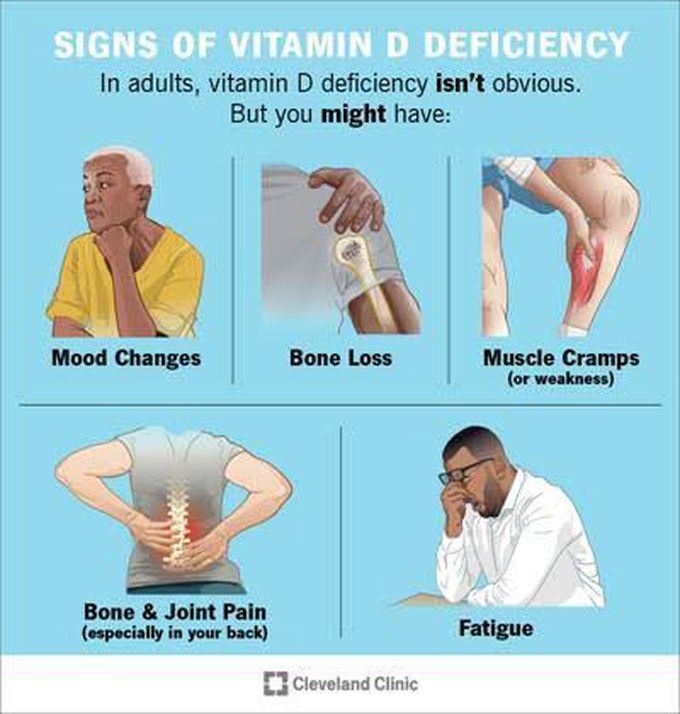
Vitamin D plays a critical role in bone health by facilitating the transport of calcium from the bloodstream into the skeletal system. Health reports indicate that deficiency can manifest as muscle cramps in the neck, back, and extremities, necessitating dietary adjustments and controlled sunlight exposure to maintain optimal levels.
The Mechanism of Calcium Absorption and Deficiency Symptoms
Vitamin D serves as a biological bridge between calcium intake and skeletal integrity. Its primary function involves the movement of calcium from the blood into the bones, a process essential for maintaining bone strength. Without sufficient Vitamin D, the body cannot effectively utilize calcium, which can lead to weakened bone structures.
The National Academy of Medicine identifies Vitamin D deficiency through clinical blood testing, specifically measuring serum 25-hydroxyvitamin D [25(OH)D] levels. According to these clinical standards, deficiency is typically characterized by concentrations falling below 20 ng/mL (50 nmol/L). When these levels are insufficient, the body may enter a state of secondary hyperparathyroidism. In this state, the parathyroid glands increase the production of parathyroid hormone (PTH) to compensate for low calcium, which can trigger the body to extract calcium from the bones, potentially compromising skeletal density.
When Vitamin D levels fall below optimal thresholds, the physical manifestations can be widespread. Reported symptoms of deficiency include significant muscle cramps that affect various parts of the body, including the neck, back, and hips. These cramps may also extend to the extremities, specifically the hands, fingers, feet, and toes. Such symptoms often prompt clinical investigation via blood tests to confirm low vitamin levels. While these tests provide a snapshot of current serum concentrations, medical professionals note that serum levels do not always provide a complete assessment of long-term bone mineral density or total tissue storage.
Sunlight Exposure and Timing
Beyond dietary intake, sunlight serves as a primary natural source for Vitamin D production. The timing and duration of exposure are critical factors in how effectively the body synthesizes the nutrient.
To support Vitamin D production, guidance suggests obtaining 10-15 minutes of direct sunlight. The effectiveness of this exposure is tied to the time of day, with a recommended window between 7:00 AM and 9:30 AM. This controlled exposure helps facilitate the natural synthesis required to maintain healthy levels without excessive duration.
The biological process involves the conversion of 7-dehydrocholesterol in the skin into cholecalciferol (Vitamin D3) via exposure to ultraviolet B (UV-B) radiation. Dermatological research indicates that several variables influence the efficiency of this synthesis, including skin melanin concentration, atmospheric ozone levels, and geographical latitude. Individuals with higher melanin levels may require different exposure durations to achieve comparable Vitamin D synthesis levels compared to those with lower melanin concentrations.
Nutritional Sources and Dietary Integration
For those managing deficiency through nutrition, several food groups provide concentrated amounts of Vitamin D. Fatty fish remains one of the most effective natural sources available. Other highly effective options include fish oil and egg yolks, which provide essential nutrients for supplementation through whole foods.
Data from the United States Department of Agriculture (USDA) identifies wild-caught salmon and mackerel as high-density sources of Vitamin D3. The U.S. Food and Drug Administration (FDA) also regulates the fortification of various staple goods, including milk, orange juice, and certain breakfast cereals, to assist in meeting population-wide nutritional requirements. These fortified foods are designed to provide consistent baseline levels of the nutrient across diverse diets.
- Beef liver
- Cheese
- Fortified foods
- Milk
The National Institutes of Health (NIH) Office of Dietary Supplements provides specific Recommended Dietary Allowance (RDA) figures for Vitamin D. For most adults, the RDA is set at 600 IU (15 mcg) per day, while the requirement increases to 800 IU (20 mcg) per day for adults over the age of 70. To prevent the risk of hypercalcemia—a condition involving excessive calcium in the blood that can lead to nausea, vomiting, or kidney stones—the NIH establishes a Tolerable Upper Intake Level (UL) of 4,000 IU per day for adults.
Traditional dietary options also offer nutritional support. Moringa leaves, which provide a wide range of necessary nutrients, are noted for their ability to contribute to overall health and include Vitamin D. In traditional culinary practices, these leaves can be prepared in dishes such as kootu, often combined with toor dal to enhance nutritional value. While nutritional studies have documented the high micronutrient density of Moringa oleifera, clinical data regarding its specific capacity to significantly alter serum 25(OH)D levels in humans remains limited.
Clinical Monitoring and Safety
Managing Vitamin D levels involves distinguishing between Vitamin D2 (ergocalciferol), often derived from plant sources, and Vitamin D3 (cholecalciferol), which is the form primarily produced by the human body and found in animal-based foods. Clinical literature suggests that Vitamin D3 is generally more effective at raising and maintaining total serum 25(OH)D levels.
Because the margin between therapeutic levels and potential toxicity exists, clinical management typically relies on periodic monitoring of blood levels. It is important to recognize that while dietary and sunlight-based approaches are standard, they may not be sufficient for individuals with malabsorption syndromes or significant underlying health conditions. Readers should not attempt to self-diagnose or self-treat high-dose supplementation based on symptoms alone, as muscle cramps can be attributed to various electrolyte imbalances.
Maintaining adequate Vitamin D levels requires a multi-faceted approach involving both controlled sunlight exposure and a targeted diet. Because deficiency can impact skeletal strength and muscular comfort, identifying appropriate food sources and exposure windows is a standard component of nutritional management.
Consult your healthcare provider.