
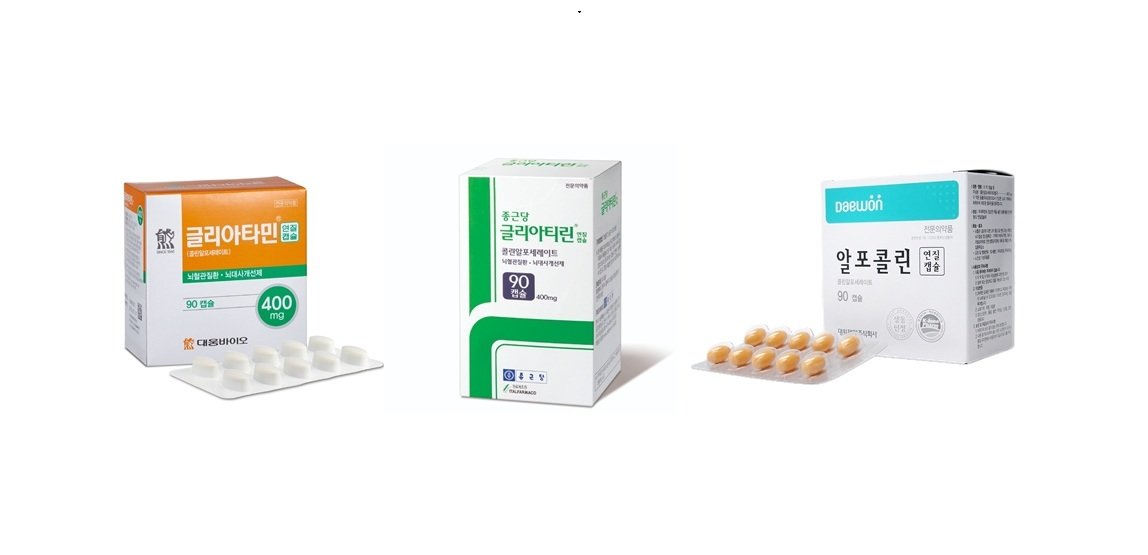
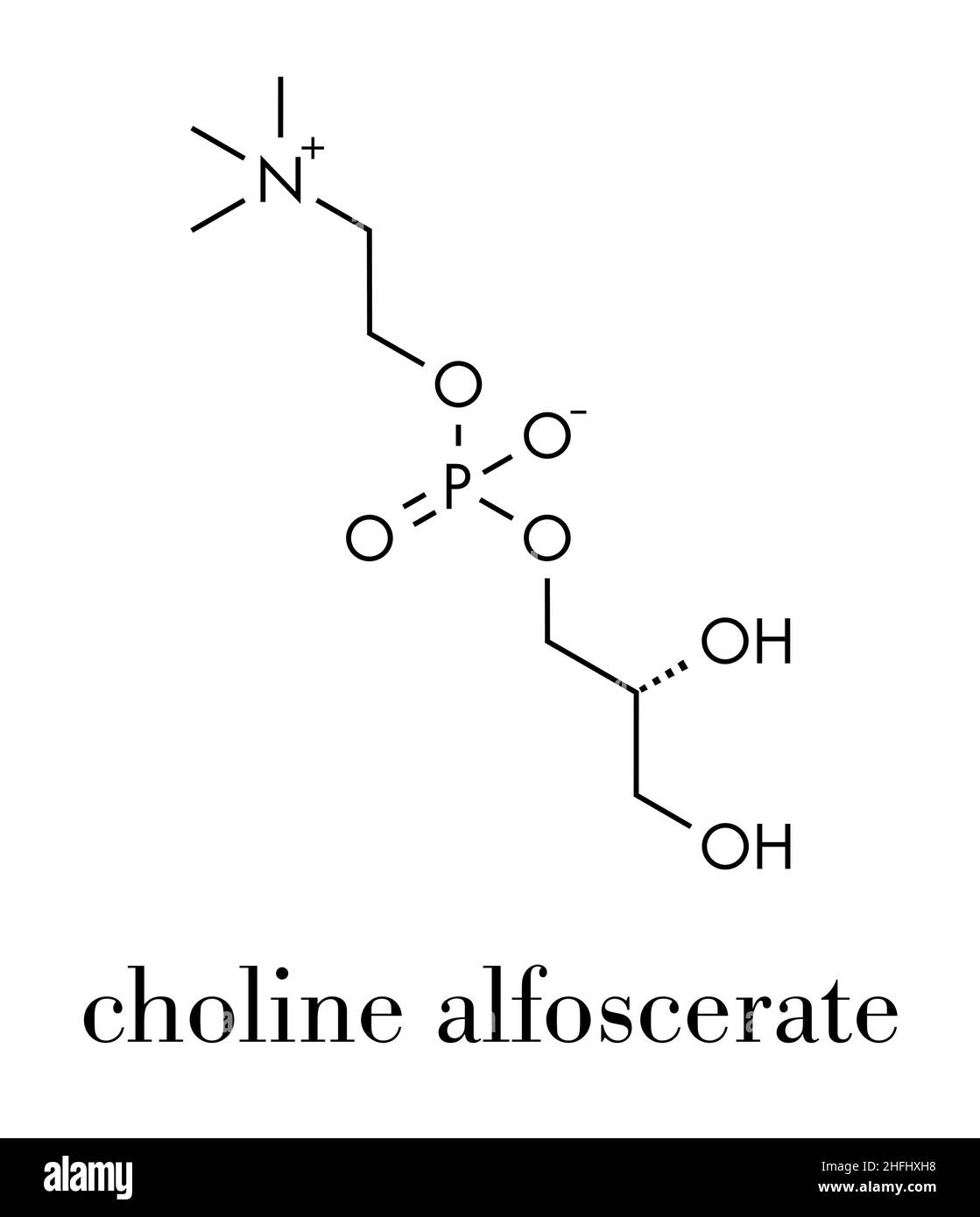
Recent clinical re-evaluations of Choline Alfoscerate and new research into Ginkgo Biloba extract have refocused the debate on managing Mild Cognitive Impairment (MCI). While Choline Alfoscerate faces scrutiny over failed primary endpoints, Ginkgo Biloba shows promise in inhibiting beta-amyloid aggregation, potentially shifting treatment from symptom management to disease modification.
Choline Alfoscerate’s Statistical Dilemma and the PPS Results

| Group (PPS Analysis) | Cognitive Maintenance/Improvement Rate |
|---|---|
| Choline Alfoscerate | 67.83% |
| Placebo | 60.07% |
The Argument for Longer Clinical Observation
The failure to meet primary endpoints has led medical experts to question whether the trial’s duration was simply too short to capture the slow-moving nature of cognitive decline.“It is not easy to evaluate whether cognitive function is maintained or improved over 48 weeks in Mild Cognitive Impairment patients with relatively good cognitive function.”

Ginkgo Biloba’s Impact on Beta-Amyloid Aggregation
| Metric (18-Month Study) | Ginkgo Biloba Group | Control Group |
|---|---|---|
| Alzheimer’s Conversion Rate | 0% | 28.6% |
| Beta-Amyloid (SUVR) Change | No significant change | Significant increase |
Shifting the Treatment Paradigm from Symptoms to Causes
The ability of Ginkgo Biloba to prevent the conversion from MCI to Alzheimer’s may be linked to its effect on brain blood flow. By improving microcirculation, providing antioxidant effects, and protecting neurons, the extract may help prevent the aggregation of toxic amyloid proteins.“Considering that the annual dementia conversion rate for MCI patients is 10-15%, the fact that no patients progressed to Alzheimer’s after 18 months is evidence that beta-amyloid aggregation inhibition is closely linked to the actual progression of the disease.”

“Drugs that act directly on the cause of the disease, such as beta-amyloid aggregation, will serve as a turning point to change the paradigm of dementia treatment from symptom suppression to cause removal.”
Yang Young-soon, Soonchunhyang University Hospital, via v.daum.net Please consult your healthcare provider regarding any changes to medication or treatment for cognitive health.